A YouTube brand can survive almost any controversy. A hardgoods brand sitting on a retail shelf cannot. Good Good Golf spent five years building the first thing and about eighteen months quietly becoming the second, and this week it found out those are different businesses with different rules.
What Triggered Retailers Pulling Good Good Golf Products?
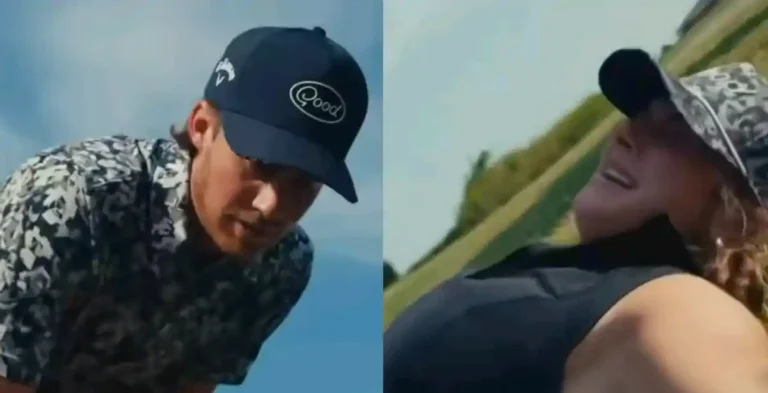
The trigger was a co-branded Callaway driver launch video in which Good Good co-founder Garrett Clark charges across a golf course, shoves colleague Alexis Miestowski to the ground, stands over her and growls, "Do not touch my new driver." The caption read "You have been warned." Callaway CEO Chip Brewer has since confirmed his company approved the spot before publication and said that approval should never have happened. Golf Galaxy pulled its branding and support from the latest iteration of Big Break. Golf Channel postponed the show's scheduled debut. PGA TOUR Superstore and other retailers began removing Good Good product from shelves. PGA TOUR CEO Brian Rolapp, asked whether the brand had taken enough accountability, said no, not initially, and called the response "concerning" and "a bit defensive and late."
Note the order of operations, because it is the actual story. The retailers moved first. The broadcaster moved second. The TOUR, which has the largest commercial exposure of anyone involved, is still describing the situation as fluid. That is not cowardice, it is contract structure. A retailer can clear a fixture in an afternoon and lose nothing but a week of sell-through. A sanctioning body with a signed title sponsorship for the Good Good Championship in Austin this November has a document, a purse, a broadcast window and a field to protect. Shelf space is the fastest enforcement mechanism in this industry precisely because it is the least contractual.
How Did Good Good Golf Outgrow a YouTube Channel?
What makes this a business story rather than a news cycle is how much Good Good's revenue mix has changed underneath the audience. Launched in 2020, the brand grew into apparel that genuinely moves, player sponsorships including Joel Dahmen and Beau Hossler, a CEO in Matt Kendrick brought in to convert a channel into a company, and now licensed hardgoods with the second-largest equipment manufacturer in golf. Every one of those lines added a counterparty with its own brand risk review. YouTube has no such review. The creative instincts that built the audience were never stress-tested against the standards of the partners the audience made possible, and last week the two collided in a thirty-second spot.
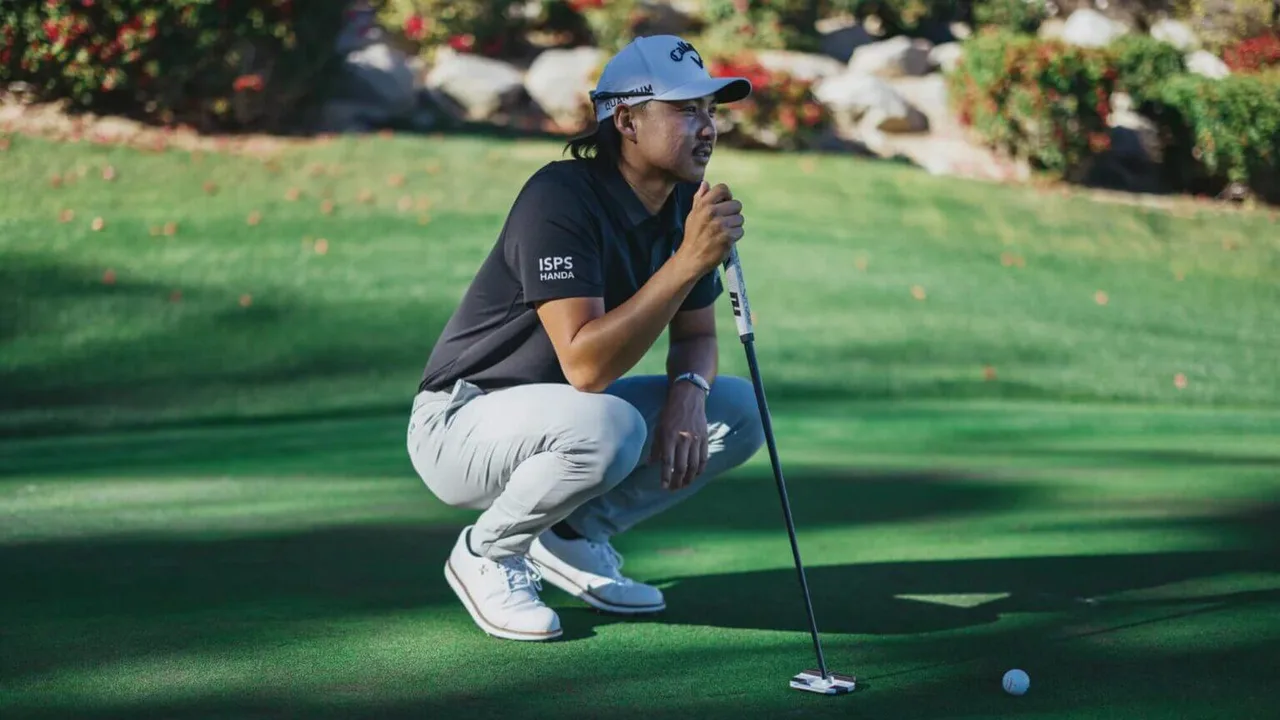
Callaway's logic in going to Good Good instead of Xander Schauffele or Sam Burns or Min Woo Lee was sound and remains sound: no tour player has commanded that young a critical mass since Tiger Woods. But you cannot license reach without also licensing the editorial voice that produced it. Callaway bought an audience and an approval process it did not control, and then approved the output anyway. That is the part of this the rest of the industry should be studying, because every OEM currently drafting a creator deal has just watched what a co-branded SKU does when the creator's tone goes sideways. The distinction Rolapp will eventually have to codify is not whether a partner is sorry. It is whether a partner's content pipeline can be held to a standard the TOUR would defend on camera.
What Would Keep Good Good Golf on Retail Shelves?
Good Good still sits eleventh of 215 brands in our index, flat month over month, and that reading is worth exactly one sentence of context: it measures attention, and attention is the asset that just turned into a liability. The brand's ceiling was always going to be determined by whether it could operate as a licensor and a sponsor rather than a channel. November in Austin is now the test of that, and the useful thing to watch is not whether the TOUR cancels the event. It is whether Good Good comes back with a governance structure, a named approver and a public standard, or just another apology. One of those keeps the shelf space.