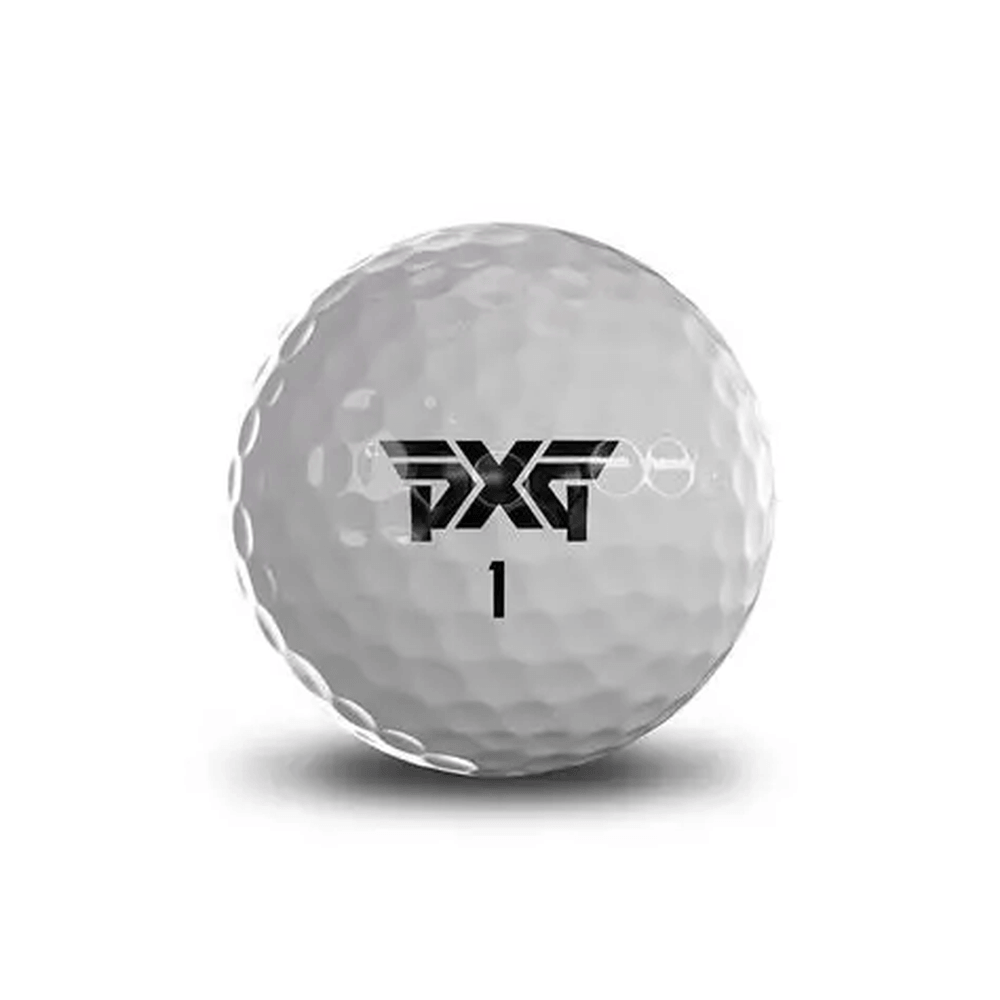
The PXG Xtreme Tour costs $34.29 a dozen and delivers urethane construction at roughly half the price of a Pro V1. It also failed MyGolfSpy's diameter consistency test badly enough to earn a C- and a Not Recommended verdict from Ball Lab.
What Did Ball Lab Find in the PXG Xtreme Tour?
The headline number is 71 out of 100. The driver of that score is a diameter consistency grade of F, with visible size variation between the three boxes tested. One of 36 balls was flagged as out of round, giving a good ball rate of 97.2 percent. Compression symmetry, the one metric where the Xtreme Tour outperformed the field, graded A-. Weight and compression consistency landed in the B- range. The rest of the manufacturing profile is average to slightly above. The ball is undone by a single category.
Context matters. The Xtreme Tour is made at SM Global in Vietnam, one of the two or three overseas facilities that white-label most of the challenger-brand urethane balls on the market. Snell, Vice, Maxfli Tour, and several private-label programs have run through similar factories over the last decade, and the Ball Lab archive shows the pattern: compression and weight tolerances tend to be respectable, diameter is where the offshore urethane category has historically struggled. PXG is not the first brand to price-in that tradeoff. It is the latest.
Why Does the Grade Clash With PXG's Engineering Story?
What makes this result interesting for PXG specifically is the brand positioning problem. Bob Parsons built PXG on a no-compromise engineering story. The original 0311 irons launched in 2014 with a manufacturing claim (multi-material construction, extended milling cycles, tight tolerances) that justified a $300-per-iron price. The ball program is the opposite bet: match tour construction at a value price. Those two stories can coexist in a lineup, but only if the value product doesn't get graded F on a fundamental spec. A urethane cover means nothing if the ball underneath it isn't round.
The competitive frame is unforgiving. Vice Pro Plus, Maxfli Tour, and Snell MTB-X have all cycled through Ball Lab testing at similar price points, and the better performers in that tier score in the low-to-mid 80s. Titleist and Bridgestone routinely score in the 90s. A 71 puts the Xtreme Tour in the bottom quartile of tour-construction balls Ball Lab has published, and the diameter issue is the kind of problem that shows up on the green, where the amateur buyer this ball is aimed at will notice it before they notice cover durability or spin numbers. PXG sits at 13th globally in the DORMIED Index, a position built largely on club and fitting equity. The ball line is not carrying that ranking. It is riding it.
What Does PXG Need to Fix in the Xtreme Tour?
PXG's ball program is three years old and still finding its manufacturing footing. The compression symmetry result suggests the factory can hold tight tolerances when it wants to. The diameter result suggests the QC process on final shaping isn't there yet. The next Ball Lab test on a PXG product is the one to watch. If diameter tightens up, this becomes a value story worth telling. If it doesn't, the Xtreme Tour becomes the argument for why tour balls cost what they cost.