
A 30-year sales veteran just left Under Armour Golf to join Turtleson, a boutique apparel brand most golfers would struggle to name. That sentence tells you everything about where Under Armour stands in golf right now.
Why Did a Veteran Rep Leave Under Armour Golf?
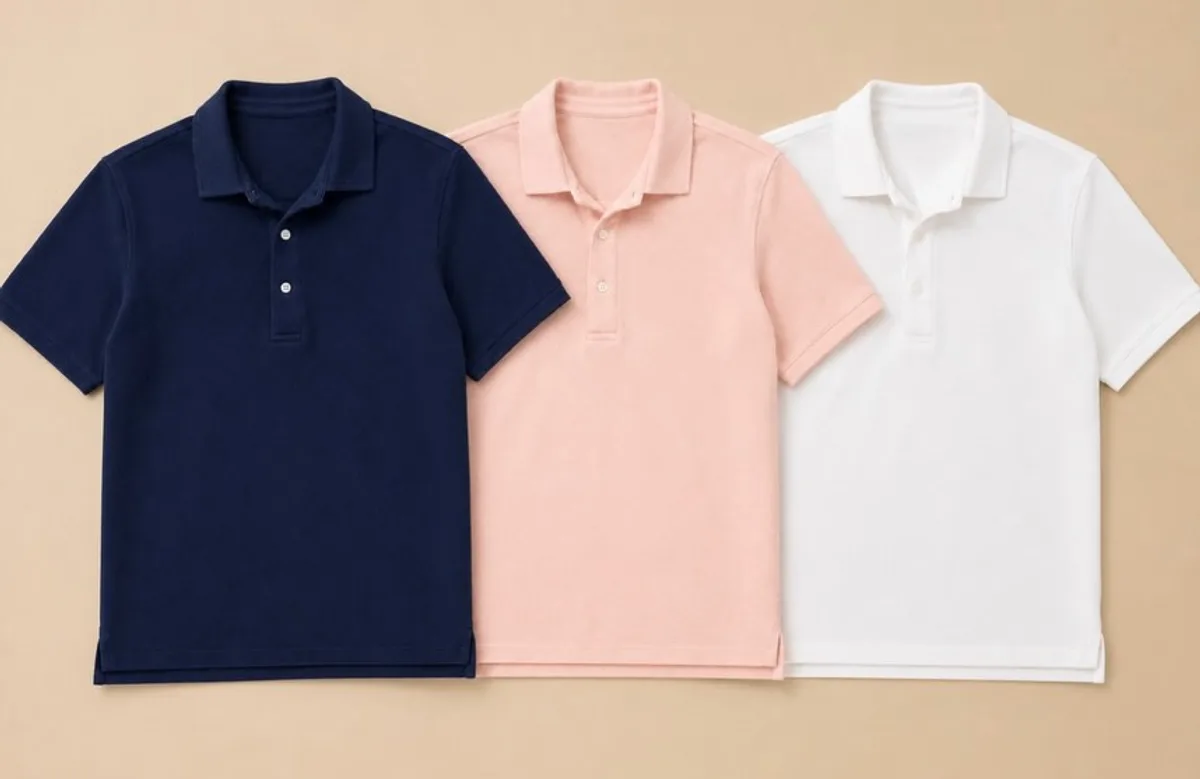
Stephen Grimes spent three years building relationships with golf professionals, resorts, and buyers across Northern California and the Reno-Tahoe corridor for Under Armour. He walked away to sell polos for a Bristol, Tennessee company that describes itself as making "apparel for the moments of a life well-lived." The move is not about Turtleson's sudden ascent. It is about Under Armour's quiet decline in a category it once seemed destined to own.
Remember when Under Armour was going to be the next Nike? The brand that would bring athletic credibility to a sport dominated by pleated khakis and corporate logos? Jordan Spieth was winning majors in the gear. The company was spending aggressively on tour presence and green grass accounts. That was a different era. Spieth moved to Titleist for his apparel in 2022. The aggressive golf push never materialized into category dominance. Now the brand sits at 69th globally in golf brand intelligence, with a score of 3 out of 100. The 22 percent month-over-month gain in March sounds encouraging until you realize it is movement from almost nothing to slightly more than almost nothing.
How Does Green Grass Golf Retail Expose Under Armour's Decline?
The green grass channel, where Grimes operated, is where reputations are built in golf apparel. When a rep with three decades of experience and deep regional relationships decides a 14-year-old niche brand offers a better future than a publicly traded athletic giant, that is not a personnel footnote. That is a verdict on strategic direction. Turtleson is not going to become the next FootJoy. But its pitch to high-end clubs and resorts is clear and consistent. Under Armour's pitch to golf has become whatever is left over after the running and training categories get their attention.
The talent drain in golf sales tends to precede the shelf space drain. Buyers at private clubs and resort shops develop relationships with reps, not corporate logos. When the rep leaves, the reorder often follows. Under Armour is not going to disappear from golf, but the path from "challenger brand" to "afterthought" runs through exactly these kinds of quiet departures. The company that once wanted to disrupt golf apparel is now losing its regional soldiers to brands that actually want to be there.