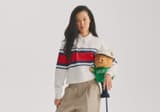
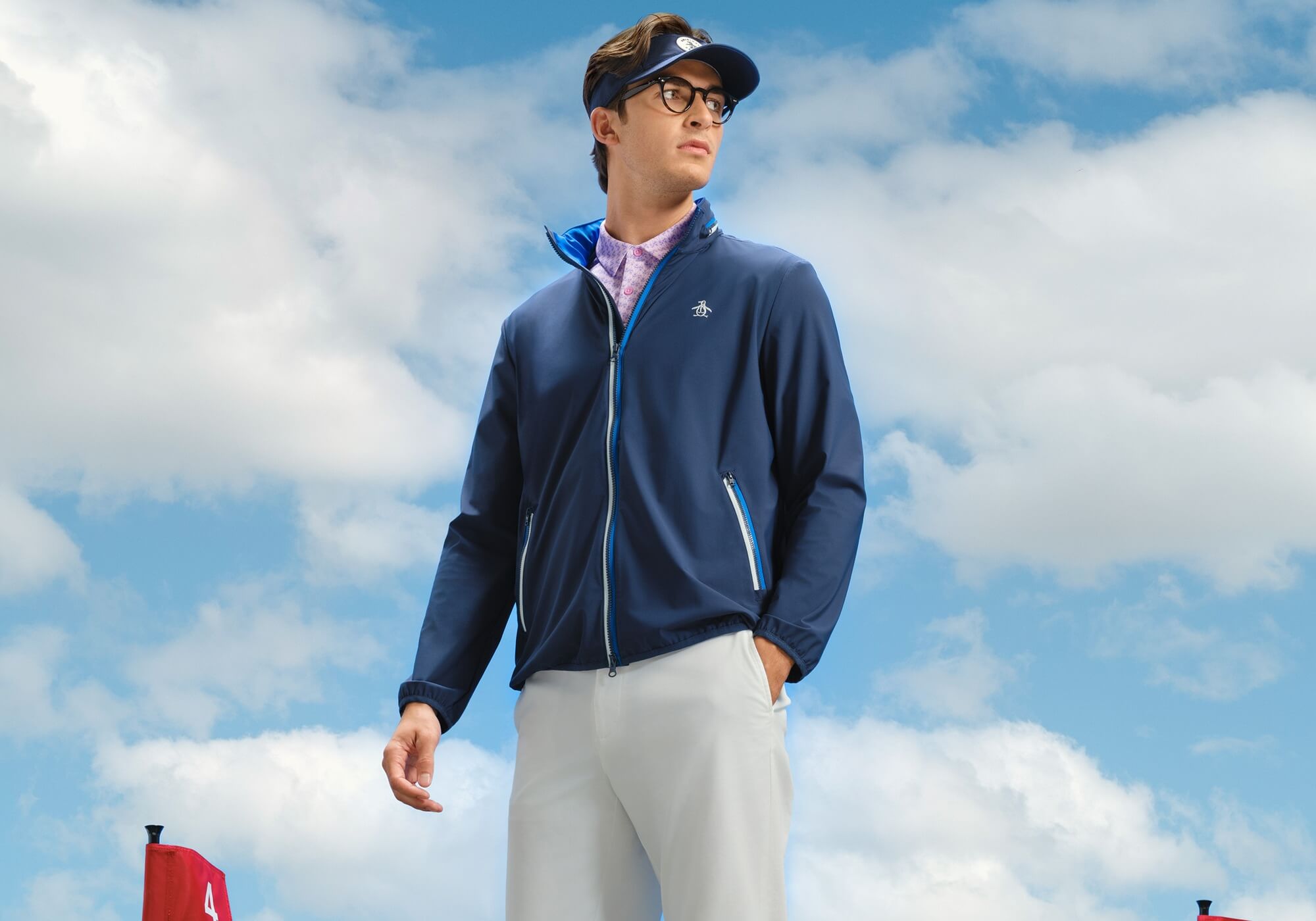
A brand that once dressed Arnold Palmer and Frank Sinatra is making another run at relevance in a golf apparel market that has moved decisively toward athletic performance and away from heritage charm. Original Penguin's 2026 Spring Collection drops this week with the familiar promise of mid-century style meeting modern fabric technology, a pitch the brand has been making for two decades with mixed results.
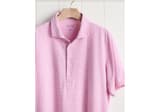
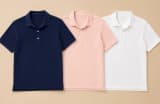
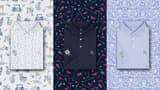
The collection leans into what Original Penguin does best: polos and layering pieces that look more country club lunch than gym floor, with watercolor prints and muted earth tones that feel deliberately out of step with the neon-trimmed compression wear dominating tour bags. Perry Ellis CEO Oscar Feldenkreis frames it as apparel that performs at the highest level while feeling effortless off the course. That positioning makes sense for a brand that cannot compete on pure technical credibility with the likes of Nike, Adidas, or even newcomers like Greyson and Druids.
Original Penguin's history is genuinely interesting. Munsingwear launched Pete the Penguin in 1955, and the brand became synonymous with celebrity golfers and entertainers of that era. Then came decades of decline, a 1991 bankruptcy, and a 1996 acquisition by Perry Ellis that led to a heritage relaunch in the early 2000s. The brand has PGA Tour ambassadors in Brian Campbell and Nico Echavarria, but neither moves the needle the way a signature athlete might for a performance brand. The play here is lifestyle adjacency, not tour validation.
The sustainability angle is worth noting. Original Penguin is incorporating REPREVE recycled yarns into select pieces, joining a growing list of apparel brands using fiber made from recycled plastic bottles. It adds pennies to production costs but checks a box that matters to a certain consumer segment. Galvin Green has made sustainability central to its identity; for Original Penguin, it reads more like a feature than a mission.
Ranked near the bottom of global golf brands on intelligence metrics, Original Penguin occupies a peculiar space: too niche for mainstream relevance, too mass-market for true premium positioning. The spring collection is well-executed for what it is, but the question remains whether enough golfers want retro cool when the rest of the industry is selling athletic performance and technical innovation. The brand's survival depends on a consumer who values aesthetic identity over spec sheets. That consumer exists, but the pool is not getting deeper.