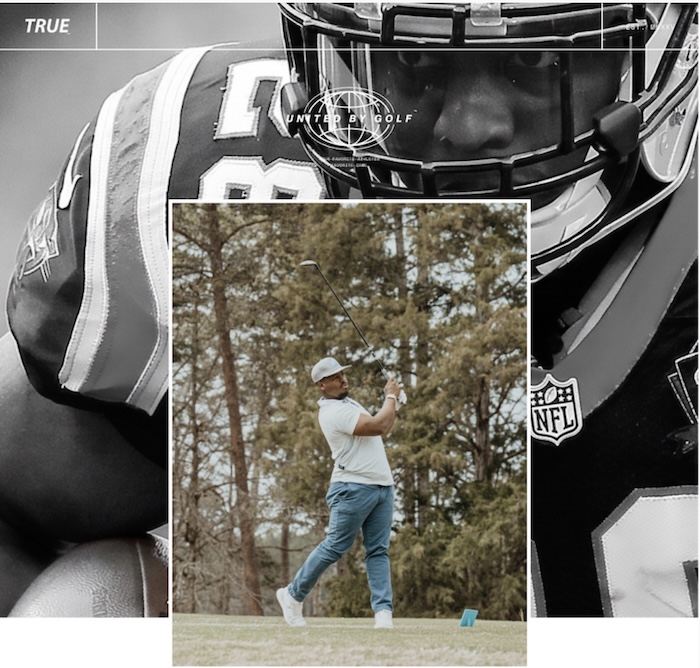
Retired NFL running backs don't typically become brand ambassadors for zero-drop golf shoes. But Jonathan Stewart, the Carolina Panthers' all-time leading rusher, is now the face of TRUE linkswear's United By Golf campaign, and the pairing reveals something interesting about where the brand sees its audience.
Why Did TRUE linkswear Sign Jonathan Stewart?
Stewart's pitch for TRUE reads like a focus group transcript from the brand's ideal customer: wide feet, heavy build, wants comfort over flash, appreciates that not every course requires a tucked shirt. He plays to a 12 handicap at Carmel Country Club in Charlotte and recently won a two-man event at Gamble Sands with a TRUE staffer. The endorsement feels organic in a way that most athlete partnerships do not. Stewart isn't pretending to be a scratch golfer or a style influencer. He's a 38-year-old retiree who discovered golf through Senior Skip Day and stuck with it because the grind felt familiar.
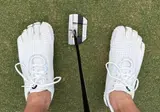
The campaign leans heavily into Stewart's transition narrative, the locker room camaraderie he found replicated at the clubhouse, the Thursday OTAs that ended with golf and drinks, the shift from nightclubs to the clubhouse. It's a story TRUE has told before with other athletes finding their second act on the course. The brand's zero-drop technology has always been a harder sell than traditional golf footwear because it requires explaining why a flat sole matters to your swing. Having a former NFL player talk about how the shoes accommodate his frame is more persuasive than any technical spec sheet.
Who Is TRUE linkswear Targeting Beyond Zero Drop Golf Shoes?
TRUE currently sits at 63rd in global brand rankings, up 22.2 percent month-over-month. That's meaningful movement for a brand that spent years as a niche player in the barefoot-inspired footwear category. The Stewart partnership suggests TRUE is pushing beyond its core audience of minimalist shoe converts and chasing the broader lifestyle golf market, the segment where Malbon and Eastside Golf have made their names. Stewart's involvement with Inspire The Fire, a Charlotte nonprofit focused on youth arts programming, adds a community angle that resonates with younger golfers who expect brands to have a purpose beyond product.
The question is whether TRUE can sustain this momentum. The brand has pivoted multiple times over the past decade, from barefoot running shoes to golf-specific footwear to a broader apparel line. Stewart's comments about watching TRUE "take off and pivot" over the last two years acknowledge this directly. Pivoting is not inherently bad, but it makes it harder to build the kind of brand identity that premium golf apparel demands. Malbon knows exactly who it is. TRUE is still figuring that out.
Why Does the TRUE linkswear Endorsement Work?
Stewart's endorsement works because it doesn't ask him to be something he's not. He's not a touring pro. He's not a fashion guy. He's a retired athlete who found something in golf that replaced what he lost when football ended. TRUE is betting there are thousands of golfers who see themselves in that story, men in their thirties and forties who came to the game late and want gear that accommodates their bodies rather than their aspirations. If the brand can keep landing partnerships that feel this genuine, the climb from 63rd might continue.