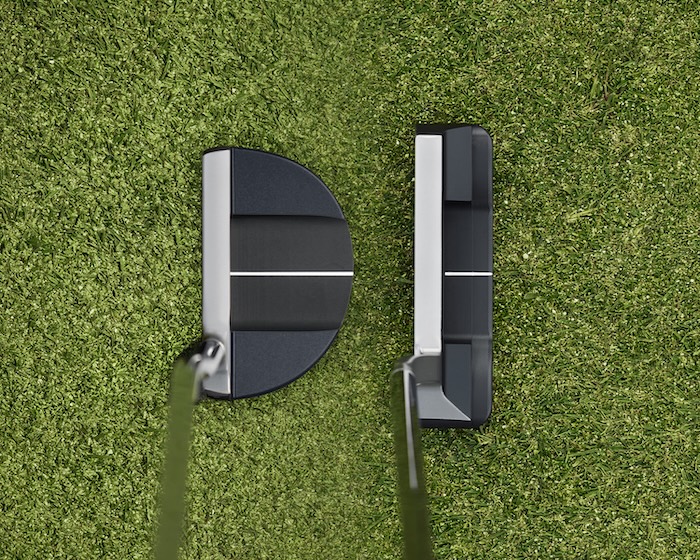
Thirty prototypes. That is what it took for Bettinardi to earn Matt Fitzpatrick's trust. The Illinois-based putter maker announced the BB1 Fitz Flow and BB48 Fitz, two models built directly from the heads Fitzpatrick has used to win five PGA Tour events, including a major championship. For a brand that has always positioned itself as the craftsman's choice, landing one of the game's most particular players feels less like a marketing coup and more like validation of a very specific thesis about what elite golfers actually want.
Why Did Matt Fitzpatrick Choose Bettinardi Putters?
The backstory matters here. Fitzpatrick had been using a putter with a groove profile that was no longer manufactured, which is the kind of detail that would drive most players to simply adapt. Fitzpatrick does not adapt. He searches. When Sam Bettinardi reached out through a mutual connection, it set off a development process that stretched through dozens of iterations until the feel and roll matched what Fitzpatrick remembered from the discontinued model. The result is the Fitz Face, a semi-circular milling pattern engineered at a precise tool size and depth. This is not marketing language about performance. This is reverse engineering a sensation.
The two models split the putter market down familiar lines. The BB1 FF is a blade with a flow neck and moderate toe hang, built for players who arc their stroke. The BB48-F is a face-balanced mallet with a spud neck and double bend shaft, designed for the straight-back-straight-through crowd. Both are milled from 303 stainless steel in Tinley Park, both weigh 350 grams, and both carry the TourTone finish that Fitzpatrick demanded. The dual Black Armor and Diamond Blast treatment paired with a thin sightline gives these putters the kind of muted, technical aesthetic that photographs well but exists primarily to reduce glare and sharpen alignment. At $550 each, they sit in the upper tier of retail putters but remain accessible compared to fully custom options.
What Does Fitzpatrick Mean for Bettinardi's Market Position?
What makes this release notable beyond the Fitzpatrick name is what it reveals about Bettinardi's current position in the market. The company has always been respected among putter enthusiasts and Tour players, but it has never commanded the mainstream attention of a Scotty Cameron or even the cult momentum of a smaller brand like Sik or L.A.B. Golf. Fitzpatrick changes that calculus. He is not just a Tour player lending his name to a product. He is a major champion with three wins already this season, including the Valspar, the Heritage, and the Zurich Classic. That kind of visibility tends to move product in ways that traditional marketing cannot replicate.
The timing also matters. Bettinardi has seen a 22 percent increase in brand momentum over the past month, suggesting that the Fitzpatrick association is already generating traction before these putters even hit retail. Whether that translates to sustained commercial success depends on how the company manages the next phase. Boutique putter makers often struggle to scale without diluting the craftsmanship narrative that made them appealing in the first place. Bettinardi has historically been disciplined about this, keeping production domestic and limiting distribution. The question is whether Fitzpatrick's visibility creates pressure to expand in ways that compromise that discipline.
What Does the Bettinardi Fitzpatrick Putter Signal to Tour Players?
There is also the matter of what this collaboration signals to other Tour players. Fitzpatrick is notoriously exacting about his equipment, and the fact that he committed to Bettinardi after testing more than 30 prototypes sends a message to other professionals who prioritize feel over brand affiliation. The putter market at the elite level is more fragmented than it has ever been, with players increasingly willing to explore smaller manufacturers if the performance is there. Bettinardi now has a credible answer when a Tour player asks who else trusts their mills.
For a family-owned company with just over 100 professional victories to its name, this release represents something more than a product launch. It is a statement about where Bettinardi sees itself in the hierarchy of premium putter makers. The Fitzpatrick partnership gives them a face, a story, and a winning record that most boutique brands cannot buy. Whether they can convert that into broader market share without losing what made them interesting in the first place will determine whether this moment becomes a footnote or a turning point.