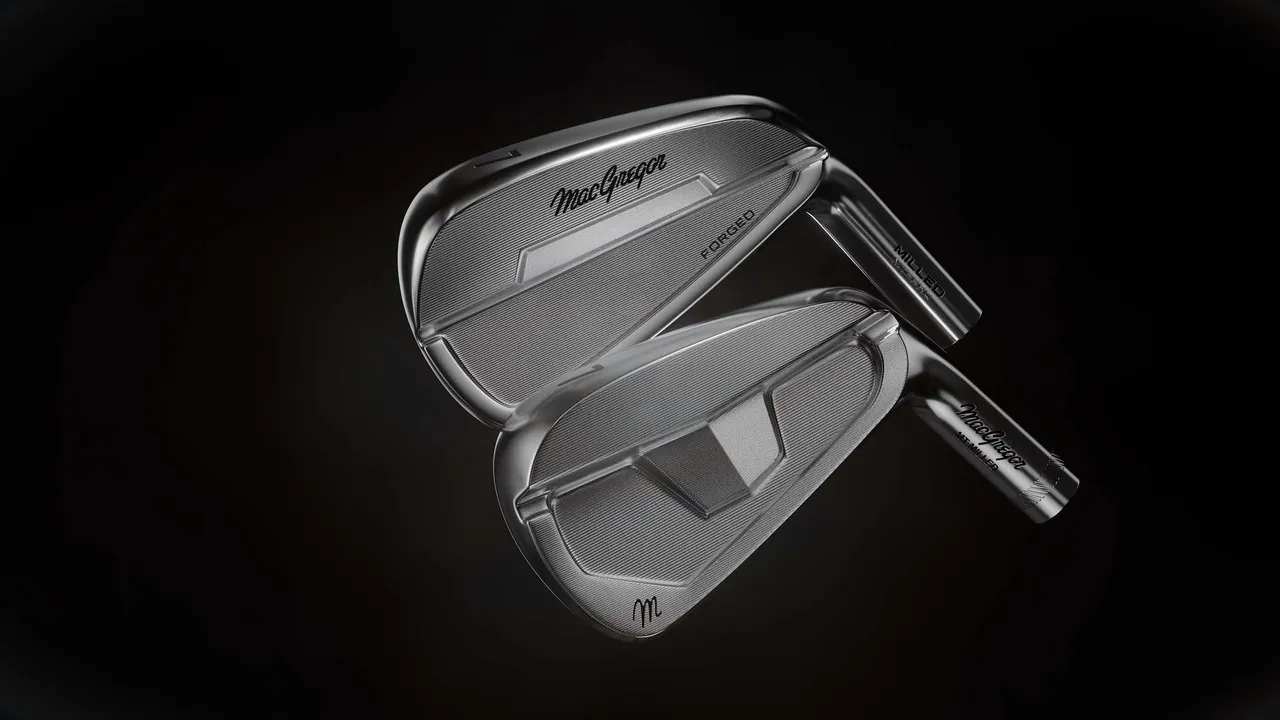

Titleist clubs are designed in the United States and assembled at facilities in Carlsbad, California, with additional regional assembly hubs in Japan, the United Kingdom, Australia, South Africa, and South Korea. The Carlsbad facility handles the majority of clubs sold in the Western Hemisphere. Component manufacturing, including clubheads, shafts, and grips, happens across a network of specialist suppliers primarily in China, Taiwan, Japan, and Vietnam. The country-of-origin label on a finished Titleist club reflects where final assembly took place, not where every component was produced.
This is the standard structure for premium golf equipment manufacturers, and Titleist is not unique in operating this way. What makes Titleist's setup notable is the geographic split between the Carlsbad club facility and the Massachusetts golf ball plants, which are entirely separate operations. Titleist golf balls are manufactured in New Bedford and North Dartmouth, Massachusetts, plus a fourth ball plant in Rayong, Thailand. The clubs and balls are designed, manufactured, and assembled by different teams in different parts of the country.
What Happens at Titleist's Carlsbad Facility?
The Carlsbad Operation
Acushnet, Titleist's parent company, has operated in Carlsbad for decades. The Carlsbad facility at 2819 Loker Avenue is where the bulk of Titleist iron, wood, and hybrid assembly happens. Engineering, R&D, and tour fitting operations are also concentrated in Southern California, with the Titleist Performance Institute located in nearby Oceanside. The proximity to other major equipment companies in Carlsbad, including TaylorMade, Callaway, and Cobra Puma, is not a coincidence. The area has the deepest concentration of golf equipment manufacturing talent in the world.
Scotty Cameron putters, which are part of the Acushnet portfolio, are milled in the United States at Cameron's Putter Studio operation. The putters are made from 303 stainless steel (and 303 stainless imported from Germany for Cameron's premium G.S.S. releases, which is metallurgically identical to other 303 grades but trademarked under the Cameron brand). The putter operation is geographically and operationally separate from the rest of the Titleist club assembly business.
Where Does Titleist Source Clubheads, Shafts and Grips?
Vokey Wedges and Component Sourcing
Vokey Design wedges, also part of the Acushnet family, are designed in the United States and assembled at the same Carlsbad facility as Titleist irons and woods. The wedge heads are cast or forged by specialist partners, the shafts come from established Japanese and global producers, and final assembly happens in Carlsbad.
Component sourcing follows industry norms. Graphite shafts come primarily from Japan-headquartered manufacturers like Mitsubishi Chemical, Fujikura, and Graphite Design, often produced at their plants in Japan, China, or Vietnam. Steel shafts come from True Temper, KBS, and Nippon. Grips come from Golf Pride, Lamkin, and SuperStroke. Clubheads are cast or forged by specialist partners in Taiwan, China, and Japan. Titleist provides specifications, tolerances, and quality control oversight; the contracted suppliers produce to those specifications.
Does Titleist Manufacturing Location Affect Performance?
The DORMIED Take
The geography of where a Titleist club is made matters less than most buyers think. A globally-sourced Titleist iron assembled in Carlsbad will perform identically to one assembled in Manchester or Tokyo because the build tolerances and component specifications are controlled centrally. What you are buying is engineering, quality control, and the brand's distribution network, not country-of-origin stamps. The country listed on the sticker tells you where final assembly happened, which is the legal definition of where the product was made, but it does not capture the global nature of how the club came together.
If you are choosing between a Titleist club and a competitor based on manufacturing location, the better question is consistency of build, not country. Titleist's reputation rests on the consistency. The geography is the supporting cast.