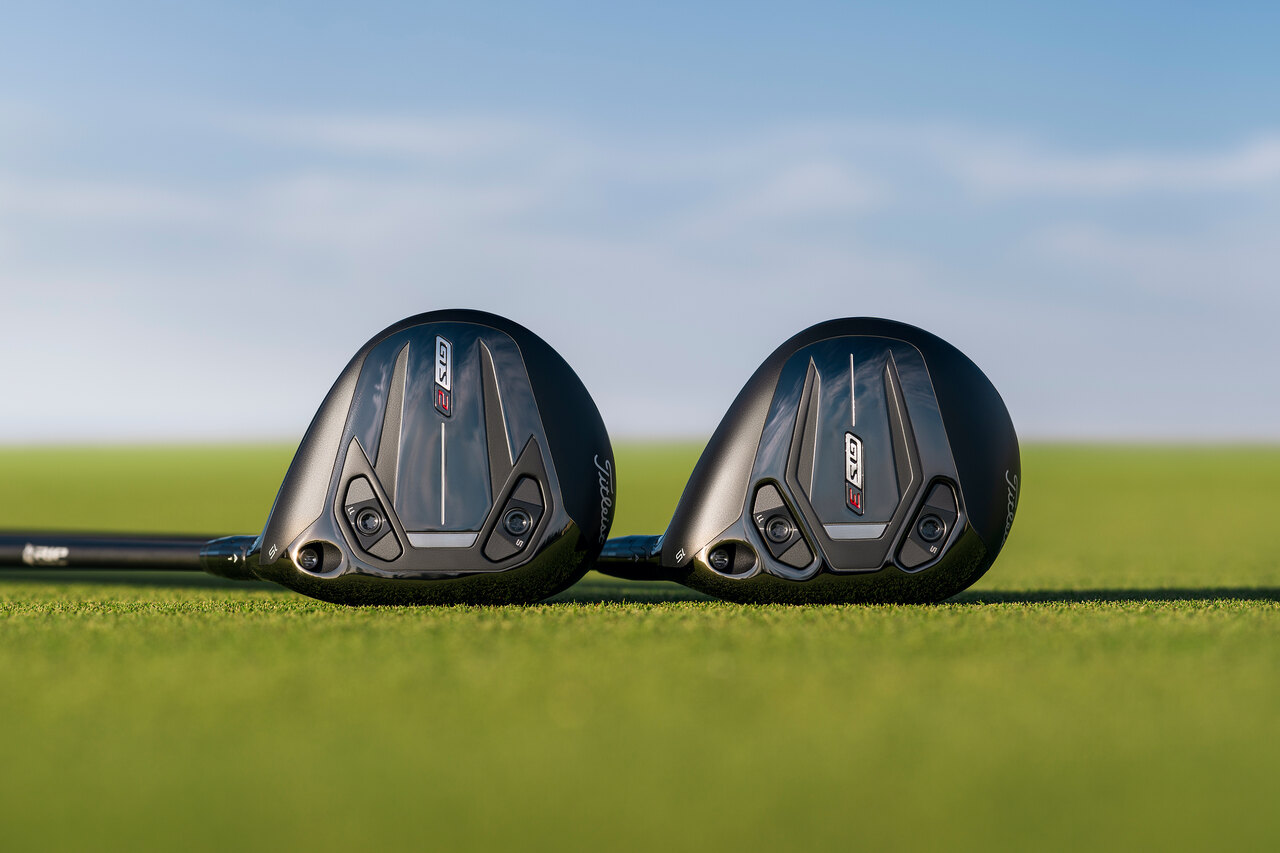
Sixteen grams of discretionary weight is a lot to find in a fairway wood refresh. Titleist's new GTS2 and GTS3 fairways, announced this week with a June 11 ship date, represent the kind of mid-cycle overhaul that most OEMs save for a full generation change. The wraparound composite crown, the dual-weighting system, the refined face heights: these are not cosmetic updates. They are corrections.
Why Did Titleist Revisit the GT Fairway Line?
The original GT fairways launched in late 2024 to strong tour adoption but mixed fitting-room feedback. The GT2's face height played tall for players with sweeping deliveries. The GT3's track weight system added adjustability but also added variables that complicated the fitting process. Titleist's Stephanie Luttrell, Senior Director of Metalwood R&D, describes the GTS changes in engineering terms, but the subtext is clear: tour players and fitters asked for something different, and Titleist listened faster than its usual two-year product cycle would suggest.
The shallower face on the GTS2 is the most visible change. Titleist says it now aligns more closely with the GT1 fairway, which was always the more playable of the original three models. That the company is steering its mid-handicap offering toward its better-player profile tells you something about where the feedback came from. The 13.5-degree head keeps a slightly taller face, presumably because stronger lofts benefit from the added ball-striking margin, but every other GTS2 loft gets the lower profile. For the GTS3, the shift is subtler: the track weight system is gone, replaced by the same heel-toe flat weights used in the GTS2. Simplicity won.
What Does the Forged L-Cup Face Do in the GTS2 Fairway Wood?
The forged L-Cup face design, optimized for fairway woods for the first time in this generation, is Titleist's answer to the low-face miss that defines amateur fairway wood struggles. The high-strength stainless steel insert wraps around the bottom of the clubface, preserving ball speed on thin strikes. This is not new technology in the broader market, but Titleist's implementation here suggests the company's testing data showed the GT fairways were leaving performance on the table for the majority of golfers who do not strike the center of the face consistently.
The polished silver face is a cosmetic touch with a functional claim attached. Titleist says tour players who saw more loft at address began hitting down on the ball more effectively. Whether that translates to amateur improvement is harder to measure, but it is the kind of detail that separates a premium product from a commodity one. At $399 standard and $599 with premium shaft options, Titleist is not competing on price. The company is competing on the perception that every detail has been considered.
Titleist's position atop the equipment hierarchy remains secure. The brand holds the top global ranking by a comfortable margin, and its month-over-month momentum suggests the GT driver line and Pro V1 refresh have maintained consumer attention heading into peak golf season. But fairway woods have historically been a weaker category for Titleist relative to its dominance in balls and wedges. The GTS line reads like an attempt to close that gap before competitors exploit it.
Is Titleist Late to the 7-Wood Category?
The 21-degree 7-wood option in both models is worth noting. Titleist is late to the 7-wood movement that Callaway and TaylorMade accelerated over the past three years, but offering two distinct profiles at that loft, one shallow and one deep, gives fitters more tools than most competitors provide. Whether recreational golfers care about face depth at 21 degrees is an open question. Whether tour players care is not. Cameron Young has been gaming a 7-wood for two seasons. The category is real.
Titleist does not typically release mid-cycle products with this much engineering change. The GTS fairways suggest the company saw enough friction in the GT fitting process to justify an accelerated response. For a brand that trades on precision and deliberation, that is the most interesting signal in this announcement.