
A triple-crown weekend across the PGA Tour, LIV Golf, and PGA Tour Champions is the kind of validation most golf ball manufacturers would trade a year's marketing budget to achieve. Bridgestone got it with Brandt Snedeker, Boo Weekley, and an unnamed LIV winner all playing the new Tour B line. The question is whether anyone outside the golf media bubble noticed.
What Is VeloSurge Technology in the Tour B?
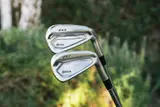
Bridgestone's weekend sweep came from the Tour B X and Tour B XS models, both built around VeloSurge technology, which the company describes as a denser mantle material pushing moment of inertia to new levels. The engineering claim is specific enough to be credible. Bridgestone has more golf ball design patents than any other manufacturer, and their R&D track record suggests VeloSurge is more than a naming exercise. The 2026 Tour B family segments by swing speed, with the X and XS targeting players above 105 mph and the RX and RXS serving everyone else. It is a clean, fitting-first product architecture that Bridgestone has refined over two decades.
The wins themselves tell a story of loyalty more than momentum. Snedeker has been with Bridgestone for over 20 years. Weekley called this his first Champions win in nearly 13 years and thanked the company for sticking with him. These are not splashy signings or poached endorsements. They are athletes who stayed, won, and credited the ball. That kind of testimonial is harder to manufacture than a Super Bowl ad.
Why Hasn't Bridgestone Golf Gained Market Momentum?
Yet Bridgestone remains ranked 64th globally on brand momentum metrics, unchanged from last month. The brand's challenge is structural. Titleist owns the premium ball conversation with a stranglehold built over four decades. Callaway and TaylorMade leverage their club distribution to push Chrome and TP5 into fitters' hands. Bridgestone, for all its fitting expertise and tour validation, lacks the retail shelf presence and club ecosystem that drive trial among recreational golfers. Four million ball fittings is a meaningful dataset. It is not a competitive moat against brands that can cross-sell from a driver purchase.
The VeloSurge launch gives Bridgestone a genuine technology story to tell, and this weekend gave them proof points to attach to it. Three simultaneous tour wins is not a fluke. It is also not a marketing campaign. The wins happened on broadcasts most recreational golfers did not watch, with players most recreational golfers cannot name. Bridgestone's president called Tour B the best ball in golf. That may be true in the lab and on tour. The market, so far, disagrees.
What Keeps Bridgestone Tour B Off Pro Shop Shelves?
Bridgestone's trajectory depends on whether VeloSurge becomes a conversation or stays a footnote. The technology has legs. The fitting infrastructure exists. The tour validation just landed. What Bridgestone has never cracked is the step between having the best product and having the product golfers reach for when they walk into a pro shop. That gap is not about engineering. It is about distribution, shelf voice, and the kind of marketing spend that Bridgestone's parent company in Tokyo has historically been reluctant to authorize. Until that changes, weekends like this one will keep happening, and the rankings will stay where they are.