Retail sales data rarely tells a story this cleanly. Sixty-five percent of golf shoes sold to everyday players are spikeless. More than ninety percent of PGA Tour professionals wear spiked footwear. That gap, roughly 55 percentage points of disagreement between consumers and the athletes they supposedly emulate, represents something unusual in sports apparel: a category where the amateur market has completely decoupled from professional endorsement patterns.
Why Do PGA Tour Pros Still Wear Spiked Golf Shoes?
Under Armour's head of golf sales, Jake Haley, frames the divide in terms of stakes. Tour professionals have millions on the line with every swing, and one slip on a dewy morning can mean the difference between a career-defining check and a missed cut. Recreational golfers play for joy, which Haley defines as a broader set of priorities including comfort, versatility, and style. The framing is diplomatic, but the subtext is clear: Under Armour sees the spikeless majority as a consumer segment that has consciously chosen convenience over maximum performance, and the brand is building product for both camps rather than trying to convince anyone they are making the wrong choice.
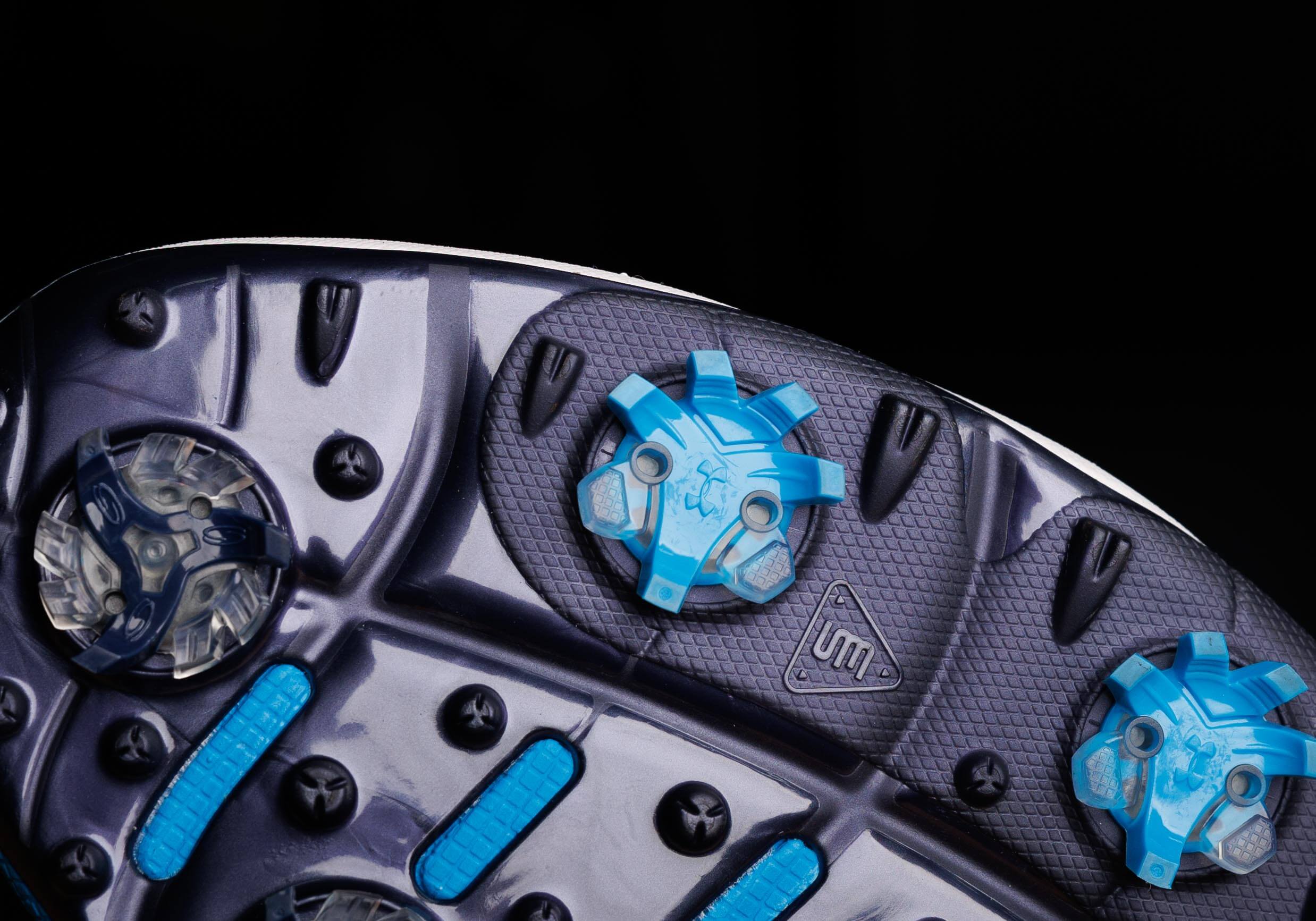
The technology argument has shifted meaningfully over the past decade. Spikeless shoes have historically been the compromise option, the footwear equivalent of hybrid clubs: easier to live with, but understood to sacrifice something at the margins. Haley's claim that spikeless designs now outperform spiked models in certain force plate tests suggests the gap is narrower than conventional wisdom holds. Under Armour's approach involves a hybrid rubber and TPU compound that attempts to deliver ground friction through the rubber while allowing the TPU elements to penetrate turf like traditional cleats. Whether this actually closes the performance gap under tournament conditions is debatable, but the engineering direction is clear: the brand is chasing performance credibility in a category that has traditionally been marketed on lifestyle benefits.
How Is Under Armour Golf Positioning Against FootJoy and Nike?
What makes this positioning interesting is the timing. Under Armour Golf sits at number 69 in the DORMIED global rankings, a position that reflects a brand with meaningful presence but without dominant market share in the premium golf segment. The 22 percent month-over-month growth in the brand's visibility score suggests momentum, but the company remains well behind footwear specialists like FootJoy and lifestyle-crossover players like Nike. Leaning into the spikeless versus spiked conversation is a way to own a narrative that the market leaders have largely ignored. FootJoy still defaults to Tour credibility in its marketing. Nike leans on athlete endorsements. Under Armour is trying something different: acknowledging that most of its customers do not play like professionals and building products that reflect those priorities honestly.
The course-condition framework Haley suggests, choosing spiked or spikeless based on weather and terrain rather than defaulting to one category, is practical advice that also happens to support selling consumers multiple pairs of shoes. It is a retail strategy dressed as swing wisdom. Under Armour benefits if golfers stop thinking of footwear as a single-purchase decision and start treating it like the rest of their bag: different tools for different situations. The question is whether the everyday golfer, the one buying spikeless shoes for the walk from the parking lot to the first tee, actually wants to own three pairs of golf shoes or whether they want one pair that handles everything adequately.
What Do Golf Footwear Trends Say About Amateur Buyers?
The broader footwear market is watching this segment closely. Spikeless designs have grown from a niche convenience play to the majority of retail volume in roughly fifteen years, a shift that happened without significant Tour adoption and largely without the endorsement infrastructure that drives most equipment trends. That pattern suggests something important about how recreational golfers make purchasing decisions: they are less influenced by what professionals use than the industry has historically assumed. Under Armour is positioning itself as the brand that understands this reality rather than fighting it.
Whether that positioning translates into market share gains depends on execution. The brand has struggled to maintain consistent momentum in golf over the past several years, oscillating between aggressive pushes and quieter periods. The current product focus on closing the spikeless performance gap is technically sound, but golf footwear is ultimately a category where distribution, price point, and brand heat matter as much as traction compounds. Under Armour has the resources to compete on all three fronts. The question is whether the company commits to golf footwear as a long-term priority or treats it as another category that gets attention when the quarterly numbers need help.