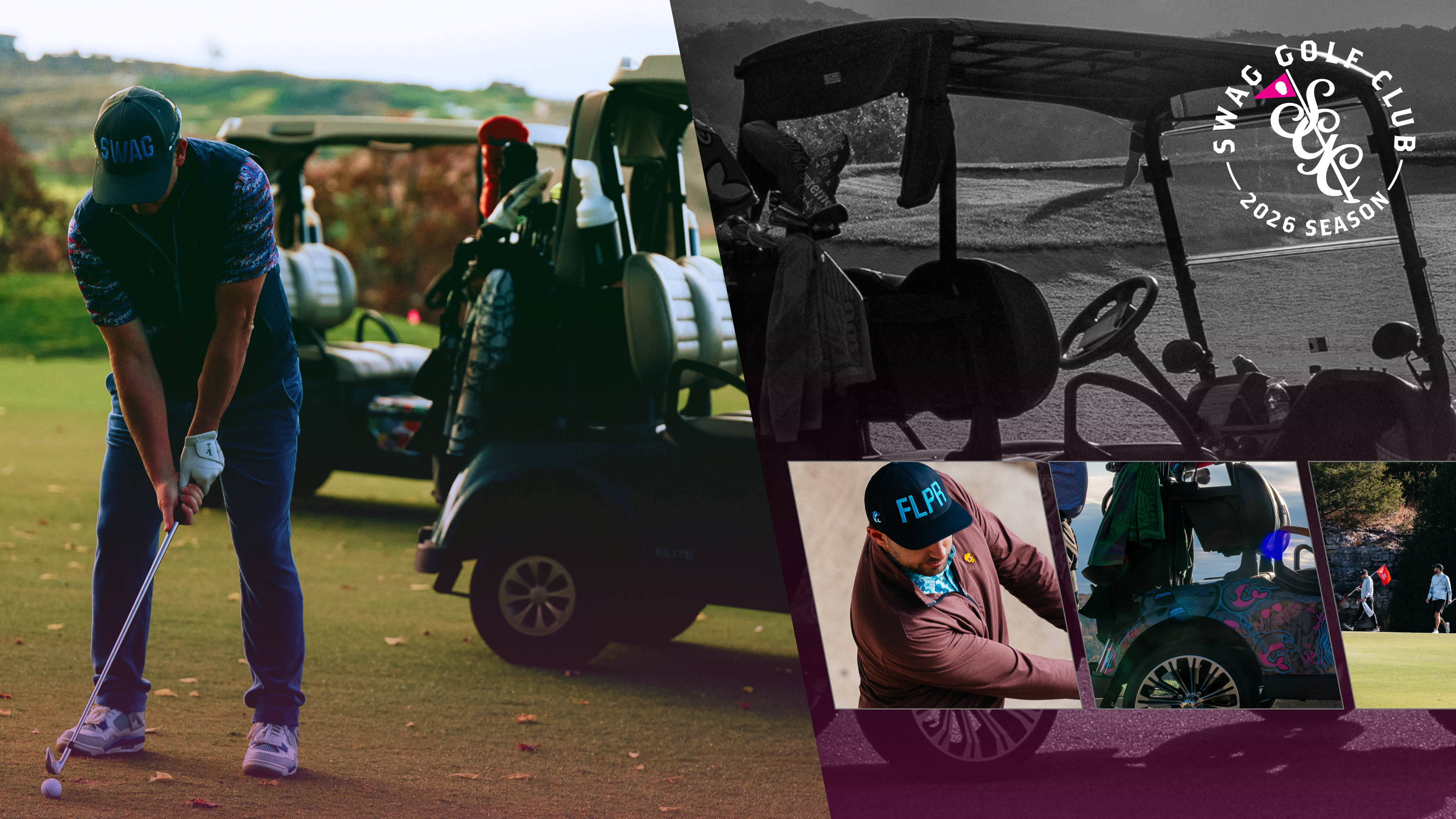
A putter company hosting golf tournaments is not new. A putter company building a traveling golf festival around its own merchandise drops is something else entirely. SWAG Golf's Club Event Series, now partnered with the Amateur Players Tour, represents the brand's clearest attempt yet to convert its collector base into a recurring revenue stream that extends well beyond headcovers.
What Is the SWAG Golf Club Event Series?
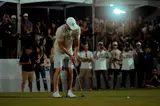
The format itself is straightforward: curated events at premium courses, competitive formats with skins and closest-to-pin contests, and a participation package called the SWAG Box that includes branded gear, partner products, and a $50 gift card back to the SWAG store. The pitch is exclusivity without stuffiness, competition without the country club atmosphere. Winners of past championship events have reportedly earned trips to Pebble Beach, which suggests the prize pool is substantial enough to attract serious amateur players alongside the brand's collector community.
What makes this interesting from a business perspective is what it reveals about where SWAG Golf sees its ceiling. The brand built its reputation on limited-edition headcovers that routinely sell out in minutes and command secondary market premiums that would make Supreme blush. But headcovers are a finite market. There are only so many collectors willing to spend $150 on a driver cover shaped like a cartoon character, no matter how limited the run. Events represent a different kind of recurring engagement, one that monetizes the community rather than just the products.
What Does the SWAG Box Include for Players?
The SWAG Box itself is a study in partner economics. YETI drinkware, Srixon balls, Golf Galaxy pouches, and branded apparel create a package that likely costs SWAG less than its perceived retail value while locking in sponsorship revenue from partner brands eager to access the SWAG demographic. For a brand ranked 47th globally in the DORMIED Index with flat month-over-month movement, this kind of event infrastructure suggests a strategy focused on community depth rather than broad market expansion.
The Amateur Players Tour partnership is the mechanism that makes this scalable. APT handles tournament operations, course relationships, and competitive structures, which allows SWAG to focus on what it does best: brand experience and merchandise. It is a sensible division of labor that lets a relatively small accessories company punch above its weight in terms of event production quality. The question is whether the SWAG collector community, which skews heavily toward gear accumulation and social media flexing, will show up repeatedly for in-person events that require travel, tee times, and actual golf.
There is some evidence the bet is working. Previous events have reportedly sold out quickly, and the secondary market for event-exclusive SWAG gear suggests participants view the merchandise as genuinely collectible rather than generic swag bag filler. The brand has cultivated a community that treats its products like trading cards, and events that offer exclusive variants tap directly into that psychology.
Why Is SWAG Golf Betting on Events Over Products?
The broader trend here is worth watching. Golf accessories brands are increasingly looking at events, experiences, and community programming as growth vectors when product-only expansion hits natural limits. Seamus Golf has its Bandon trips. Jones Sports Co. has leaned into caddie culture and walking advocacy. SWAG is building something more explicitly festival-like, with sponsor activations, giveaways, and what the brand describes as interactive experiences throughout the course. Whether that reads as premium curation or corporate sponsor overload will depend entirely on execution.
For SWAG Golf, the event series is less about becoming a tournament operator and more about creating touchpoints that justify the brand's premium positioning. A headcover is a product. A full-day experience at a top-tier course with exclusive gear and a community of like-minded collectors is something closer to a lifestyle subscription. The flat month-over-month growth in SWAG's broader market position suggests the brand needs new levers to pull. Events might be exactly that, or they might prove that the collector community is more interested in acquiring than participating. Either way, the answer will show up in sellout times and repeat attendance rates long before it shows up in any index score.