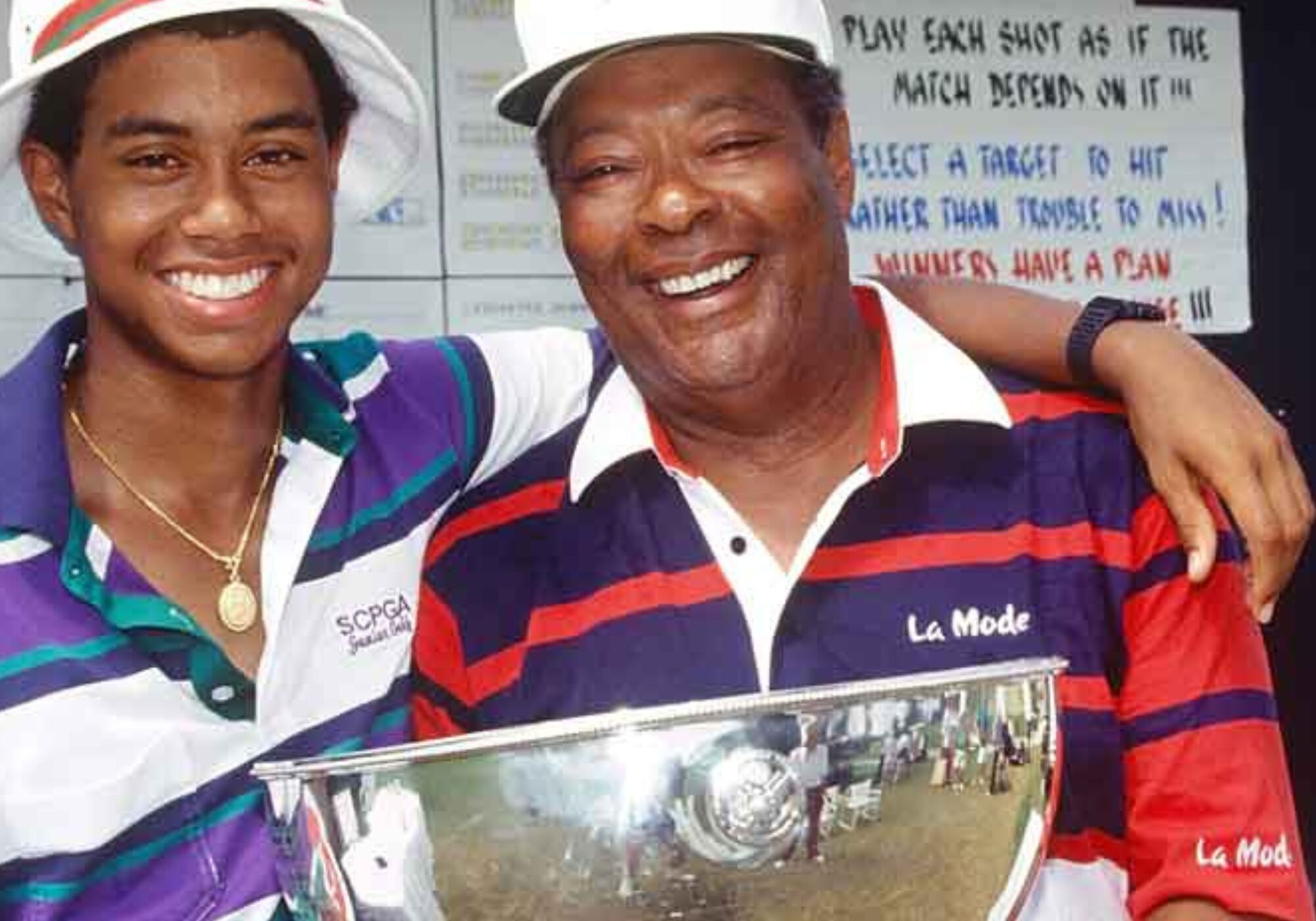
Thirty-four years after a 15-year-old Tiger Woods won his first U.S. Junior Amateur, his apparel brand wants you to buy a hoodie about it. The Heritage Pursuit Collection from Sun Day Red drops ahead of the PGA Championship with a simple thesis: if you remember watching Tiger in the 90s, you'll pay premium prices for clothing that references his earliest victories. It's a bet on emotional attachment over technical innovation, and it's exactly the kind of move that explains why this brand sits at sixth globally in our rankings despite being barely two years old.
What Is in Sun Day Red's Heritage Pursuit Collection?
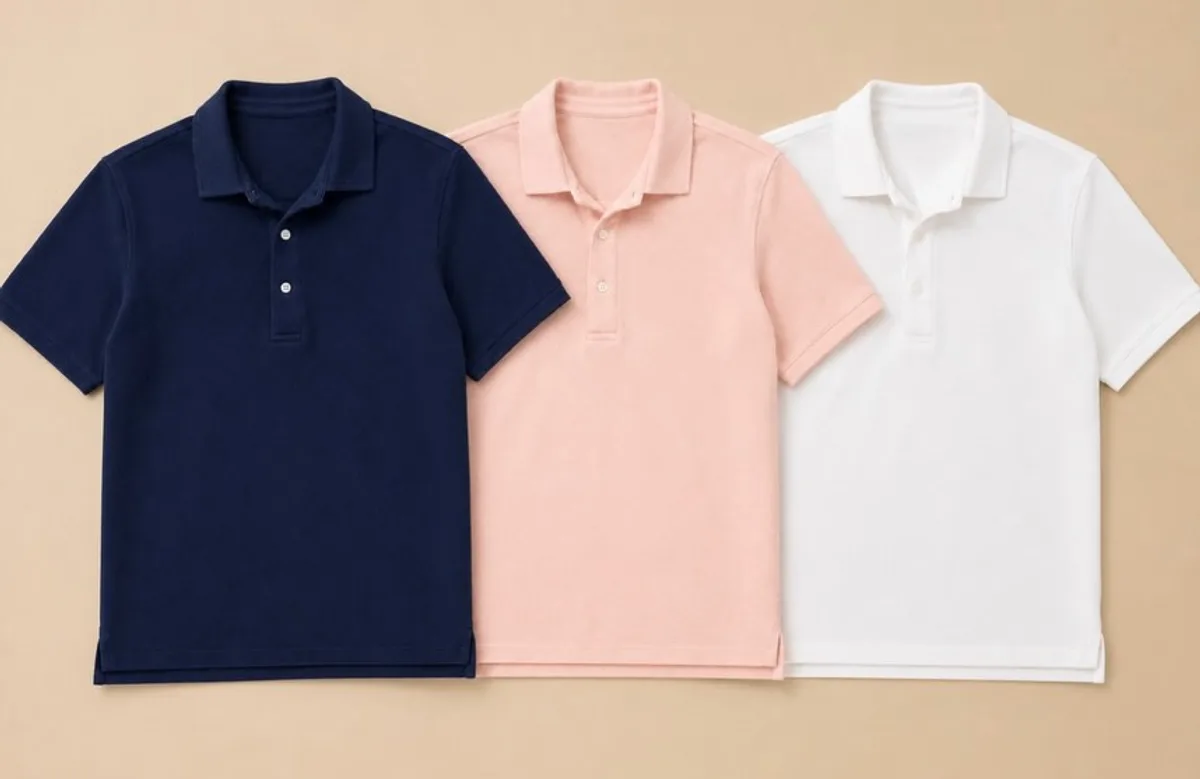
The collection itself is unremarkable in construction. A Pima cotton t-shirt. A corded hoodie marketed to weightlifters and golfers alike. A mallet headcover in what the brand calls a timeless color scheme. Nothing here advances performance apparel or signals where golf fashion is heading. What it does is leverage the single most valuable asset in golf: Tiger Woods' legacy. The 1991 Junior Amateur reference is specific enough to reward superfans and vague enough that casual buyers won't feel excluded. It's merchandising as mythology.
Sun Day Red has climbed 22.7 percent in brand momentum this month, a surge that coincides with major championship season and the predictable uptick in Tiger-adjacent coverage. The brand has learned to time its releases around moments when Woods dominates headlines regardless of whether he's actually competing. The PGA Championship at Quail Hollow provides the backdrop, but Tiger doesn't need to make the cut for Sun Day Red to sell polos. He just needs to exist in the cultural conversation, which he always does in May.
How Does Sun Day Red Monetize Tiger's Career Archive?
The strategy represents a departure from how legacy players have historically monetized their brands. Arnold Palmer's empire was built on licensing deals and umbrella logos that outlived specific tournament memories. Jack Nicklaus attached his name to course design and financial services. Tiger, through Sun Day Red, is doing something more granular. He's selling discrete moments from his career as collectible capsules. The Junior Amateur win. The Sunday red and black combination. The specific achievements that superfans can recite from memory. It's less brand-building than it is archive monetization.
What makes this work is the demographic math. The golfers who watched that 1991 Junior Amateur broadcast are now in their 40s and 50s with disposable income and nostalgia that grows sharper every year Tiger doesn't win a major. Sun Day Red doesn't need to compete with Lululemon on fabric technology or with Travis Mathew on lifestyle positioning. It needs to be the place where a certain kind of golfer goes to feel connected to the era when Tiger was invincible. That's a narrower market than mass apparel, but it's a deeply loyal one.
The pricing reflects this calculation. Sun Day Red doesn't discount. It doesn't chase volume. A corded hoodie costs what a corded hoodie costs when Tiger's logo is on it, and the brand has shown no interest in accessibility. This is premium positioning without premium innovation, which works until the nostalgia well runs dry or until Tiger's relationship with the competitive game becomes too distant to sustain the connection.
Which Tiger Woods Moments Could Sun Day Red Sell Next?
There's also the question of what happens when the archive runs out of moments worth selling. Tiger's career provides decades of material, but the Heritage Pursuit approach only works if each collection feels meaningfully tied to a specific memory. The 1991 Junior Amateur is good. The subsequent Junior Am wins could follow. The Stanford years, the 1997 Masters, the 2000 U.S. Open demolition at Pebble Beach. But eventually, the brand will need to decide whether it's a nostalgia vehicle or something that can stand on its own design merit.
For now, Sun Day Red is riding a wave that shows no signs of cresting. The PGA Championship timing is smart. The emotional hooks are effective. The margins are presumably healthy. Whether this model sustains beyond Tiger's cultural half-life is the question that will define whether Sun Day Red becomes a lasting apparel player or a very profitable footnote.