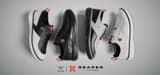

A British golf brand that last had U.S. headquarters when Reagan was in his first term is betting it can become relevant again by selling Sunday bags and shoe totes at the PGA Championship.
What Is Penfold Golf's U.S. Relaunch Strategy?
Penfold Golf, once known for producing golf balls during what the company calls the sport's golden era, is reopening U.S. operations in Philadelphia and pivoting hard toward premium accessories. The brand will appear at Aronimink next month with a merchandise tent presence and a PGA Junior League activation, part of a calculated effort to rebuild awareness among American golfers who have no memory of the original product.
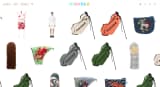
The strategy is either savvy or delusional, depending on how you view the crowded bags and accessories market. Sunday Golf currently sits at 38th in global brand visibility, up 50 percent month-over-month, proving there is appetite for the lightweight carry bag segment. Penfold is walking into that same space with less recognition and a heritage story that requires significant explanation. Most golfers under 50 will not know Penfold from any other upstart accessories label.
How Is Penfold Golf Building American Visibility?
What Penfold does have is institutional validation. A partnership with the PGA of America and official supporting partner status with PGA Junior League gives the brand access to grassroots visibility that money alone cannot buy. The Matt Wallace signing adds tour presence, and the Los Angeles Golf Club gifting program during the TGL season finale suggests someone at Penfold understands how to work the influencer angle without looking desperate.
The question is whether heritage positioning translates to purchase decisions in a category where function and aesthetics matter more than lineage. Jones Sports, Stitch, and Sunday Golf have all built followings on product design and brand personality, not historical backstory. Penfold is betting that a British pedigree and the words quality, consistency, and respect for the game will resonate with a certain buyer. That buyer exists, but so does a lot of competition.
Why Did Penfold Golf Choose Philadelphia as Its Base?
Philadelphia makes sense as a home base given Aronimink's proximity and the city's golf culture, but the real test comes after the Championship tents come down. Penfold will need to prove it can sustain visibility and convert heritage curiosity into repeat customers. The junior golf angle is smart for long-term brand building, though it does not move product today. If Penfold is still expanding its U.S. footprint in two years, the comeback will have worked. If not, this will be remembered as an expensive nostalgia play.