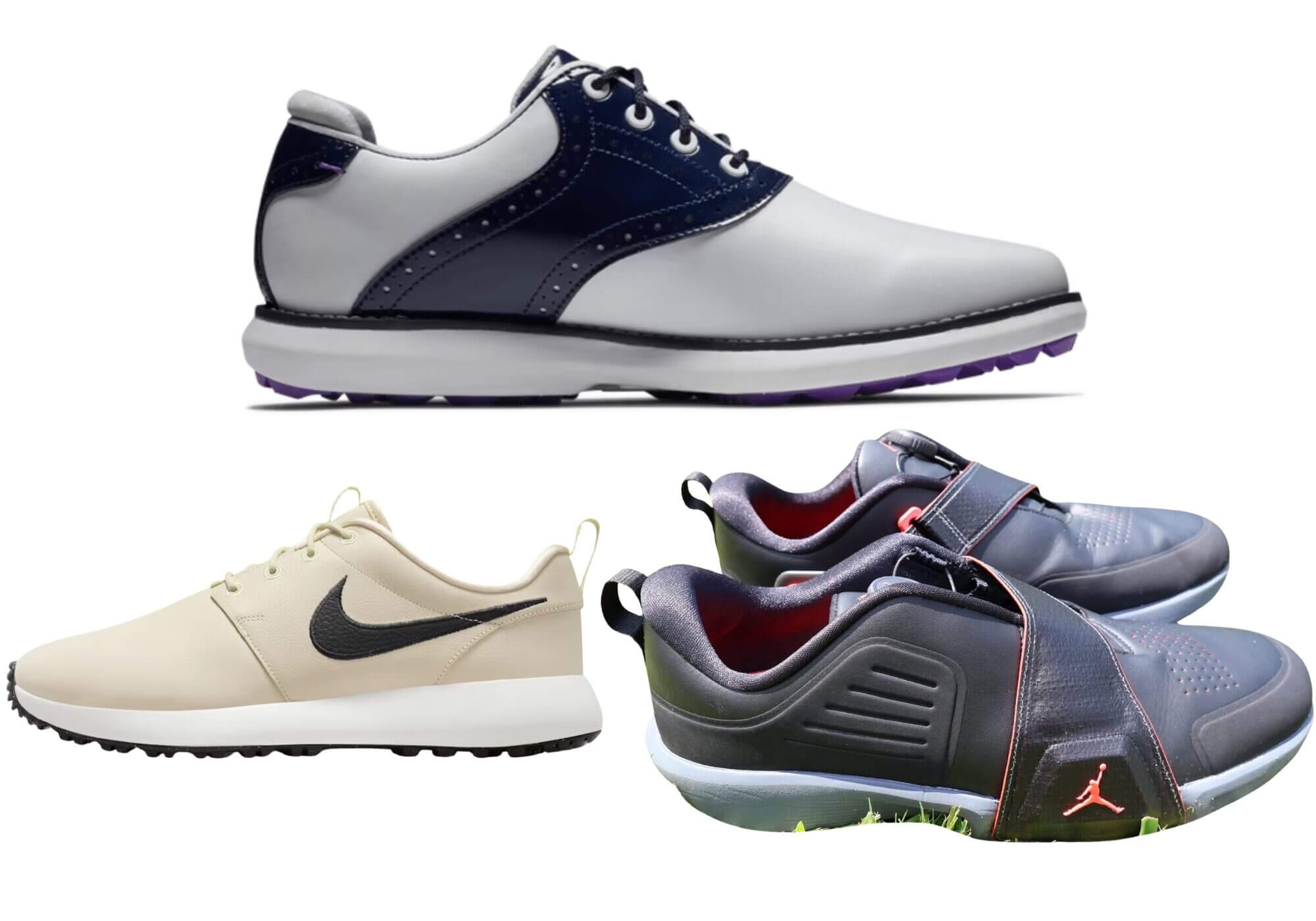
A major golf media outlet just told its readers to skip three of the industry's most popular golf shoes, and Nike landed two spots on the list. MyGolfSpy's latest buyer's guide names the Nike Roshe G and Jordan Air Rev among the most overrated golf footwear of 2026, a pointed critique that arrives as Nike Golf rides a 49.6 percent month-over-month surge in brand momentum.
What Did MyGolfSpy Say About the Nike Roshe G?
The timing is awkward. Nike Golf currently sits at number 10 globally in the DORMIED rankings, its highest position in recent memory, driven largely by Tiger Woods visibility and the ongoing cultural relevance of the Jordan brand in golf. But MyGolfSpy's testing team isn't grading on cultural cachet. The Roshe G, priced at $115, was called out for comfort "far below the industry standard" and middling stability. The Jordan Air Rev took a harder hit: "Don't let the word Jordan fool you: this shoe sucks." At $200 to $250, testers found synthetic uppers, a non-BOA dial system, quick creasing, and below-average performance. The verdict was unambiguous.
This is the kind of third-party criticism that doesn't show up in brand health metrics until it's already done damage. MyGolfSpy has built its reputation on equipment testing that ignores advertising relationships, and its Most Wanted designations carry weight with the gear-obsessed demographic that researches before buying. When the site tells readers to avoid a shoe, a meaningful slice of the market listens. Nike's brand heat may be up, but its footwear credibility just took a dent in the one place where credibility matters most: independent performance testing.
Why Is Nike Golf's Shoe Strategy Falling Behind?
The deeper issue is what this reveals about Nike's current golf footwear strategy. The Roshe G has been in the lineup for years, a carryover silhouette that prioritizes lifestyle aesthetics over technical innovation. It looks like a sneaker because it largely is one, with minimal golf-specific engineering. That approach worked when spikeless shoes were a novelty and golfers were willing to trade performance for crossover wearability. In 2026, the spikeless category has matured. Brands like Alma Mater, which MyGolfSpy named the most comfortable spikeless shoe of the year, are building purpose-designed golf footwear that doesn't ask buyers to compromise. The Roshe G suddenly looks like a legacy product competing against shoes built from the ground up for the course.
The Jordan Air Rev critique cuts differently. Jordan Brand has spent years cultivating golf credibility through player endorsements, limited drops, and the unmistakable cultural capital of the Jumpman logo. But cultural capital doesn't fix a dial system that isn't BOA, and it doesn't prevent creasing on a $250 shoe. The Air Rev represents the risk of brand extension: when the logo does the selling, the product can lag. MyGolfSpy's testers don't care that Michael Jordan's name is on the box. They care whether the shoe performs for 18 holes in variable conditions. By that measure, the Air Rev failed.
Which Golf Shoes Did MyGolfSpy Recommend Instead?
FootJoy's Traditions also made the overrated list, though the critique was softer, a note that the shoe prioritizes aesthetics over cutting-edge performance. The recommended alternatives tell the story of where the market is heading: Alma Mater for comfort-first spikeless, FootJoy Premiere Series for premium leather traditionalists, and Reebok Nano Golf for budget-conscious buyers who want legitimate performance under $140. Two of those three brands are not names most golfers would have recognized five years ago. The footwear category is fragmenting, and legacy players are no longer guaranteed shelf space in the consideration set.
Nike Golf's brand momentum is real, but brand momentum and product credibility are different currencies. The company has the marketing muscle to absorb a single negative review cycle, and the Jordan name still opens wallets that care more about the logo than the lab results. The question is whether Nike treats this as signal or noise. Footwear testing is getting more rigorous, buyers are getting more informed, and the spikeless category no longer tolerates lifestyle-first designs that phone in the performance. Nike can keep selling Roshe Gs on name recognition, or it can build something that wins a Most Wanted badge. The next product cycle will tell us which path they've chosen.