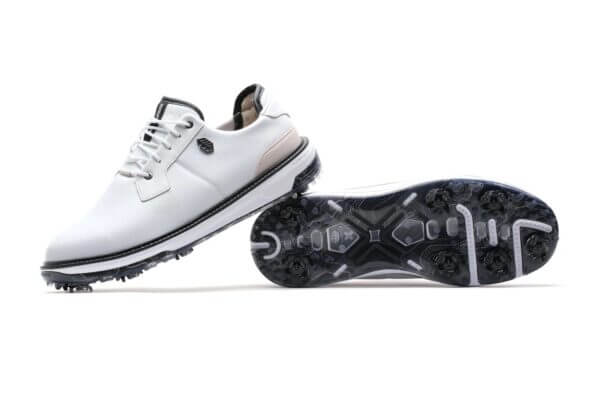
A $200 golf shoe that looks like it belongs in a 1970s country club locker room but plays like modern athletic footwear is a narrow target to hit. Jones Sports Co. and Payntr Golf appear to have threaded that needle with the Jones Sports Co. RS, a collaboration that finally gives Jones a footwear option that matches the visual identity the brand has spent years building around its bags and accessories.
Why Did Jones Partner With Payntr Golf on Footwear?
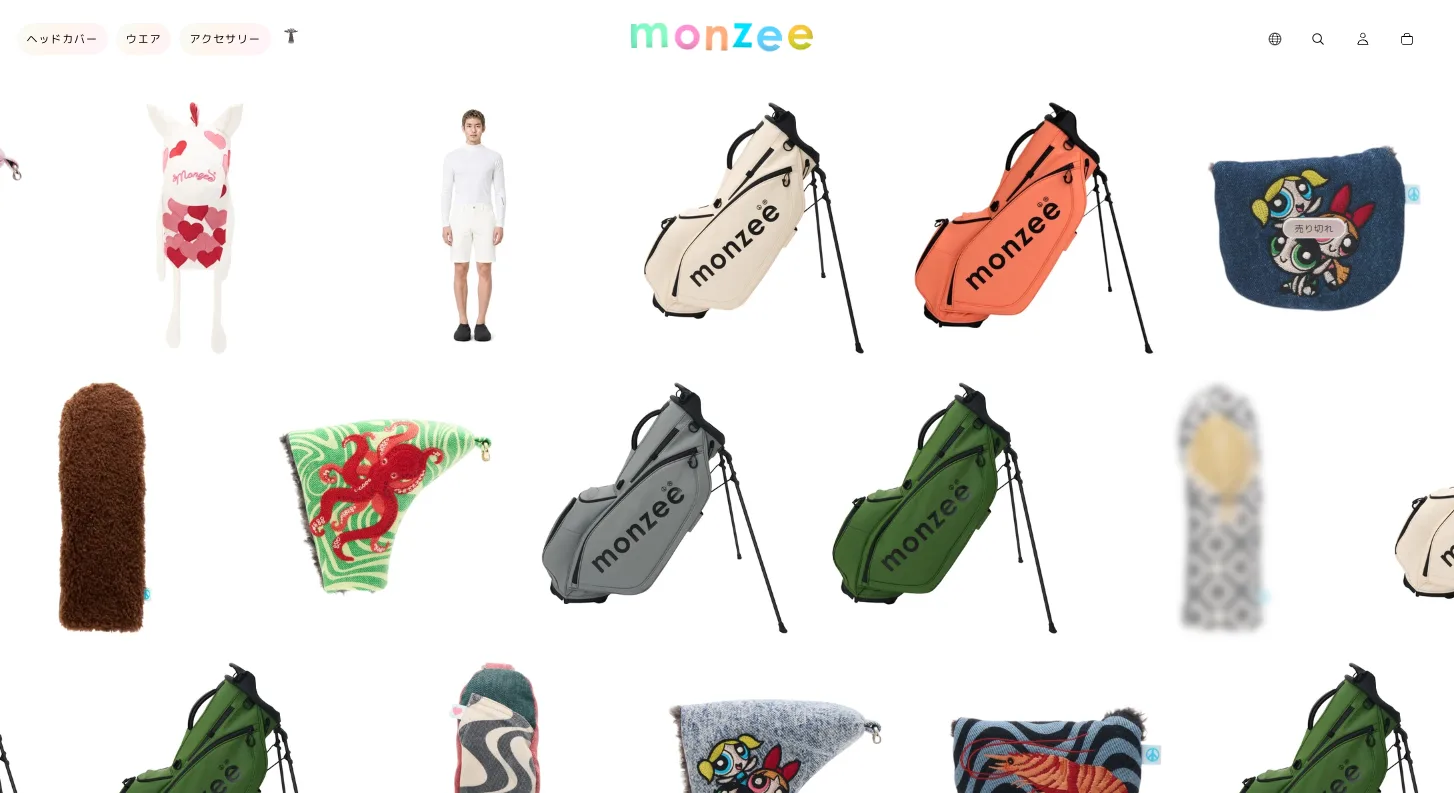
The timing matters here. Jones has been methodically constructing what amounts to a lifestyle play within golf, one built on understated design and heritage cues rather than loud branding or performance claims. The bags are the anchor. The headcovers extend the aesthetic. But footwear has been the missing piece, the one category where Jones had to point customers toward other brands or offer collaborations that never quite felt native to the Jones look. Previous Payntr models and the Forrester's Outerwear Rainshedder carried the Jones name but leaned technical and modern. The RS is different. It looks like something Jones would have designed from scratch if Jones had a footwear division.
What Payntr brings to this partnership is legitimacy on the performance side. The brand has been climbing steadily in footwear circles, currently sitting at 24th globally in the Dormied Index with a 22.4% month-over-month gain. That trajectory reflects a company that has figured out how to compete on technology without abandoning design. The RS packs serious spec density under its traditional exterior: CLARINO Trivela microfiber upper, full-grain leather overlays, waterproof membrane, PMXNITROGEN+ cushioning, and the PMX SPEED PLT propulsion plate that Payntr has been refining across its lineup. The Fast Twist outsole system means replacing spikes does not require a specialty tool or a trip to the pro shop.
How Does the Jones Payntr Golf Shoe Justify $200?
The strategic read on this collaboration is that Jones is testing whether its customer base will pay premium prices for a complete ecosystem. At $200, the RS sits at the higher end of the golf footwear market, competing directly with FootJoy Premieres and G/Fore's core line. The bet Jones is making is that cohesion has value, that the golfer who already owns a Jones bag and Jones headcovers will pay a premium for shoes that complete the look rather than introduce visual noise. This is the same logic that drives luxury fashion houses to expand into accessories and fragrance, except applied to a much smaller addressable market.
The heritage golf shoe category has been quietly competitive for the past two years. FootJoy has leaned into it with the Premiere Series. Ecco has the Biom models. G/Fore built its entire brand on the proposition that golf shoes could look like something you would wear off the course. What Jones and Payntr are offering is a more restrained version of that idea, one that skews older and more traditional without sacrificing the cushioning and stability that modern golfers expect. The full-grain leather overlays are a nice touch, a detail that reads as quality without requiring the maintenance headaches of an all-leather shoe.
Where Does the Jones Sports Co RS Fit in 2026?
Jones positioning this as part of its 2026 Heritage Collection signals where the brand sees itself heading. The collection is not just about individual products but about a unified visual language that extends across categories. Bags, headcovers, apparel, and now footwear all speaking the same design dialect. For a brand that started with carry bags and has grown primarily through aesthetic coherence rather than performance claims or tour endorsements, footwear was the logical next frontier.
Whether this release moves Jones closer to becoming a full lifestyle brand or remains a niche play for existing loyalists depends largely on distribution and visibility. The product itself appears sound. The price is defensible given the spec sheet. The question is whether Jones can convert golfers who have never bought into the ecosystem or whether this shoe primarily serves as a retention tool for customers already deep in the Jones catalog. Either outcome probably works for Jones at this stage, but the latter keeps the brand small while the former opens a different kind of growth path entirely.