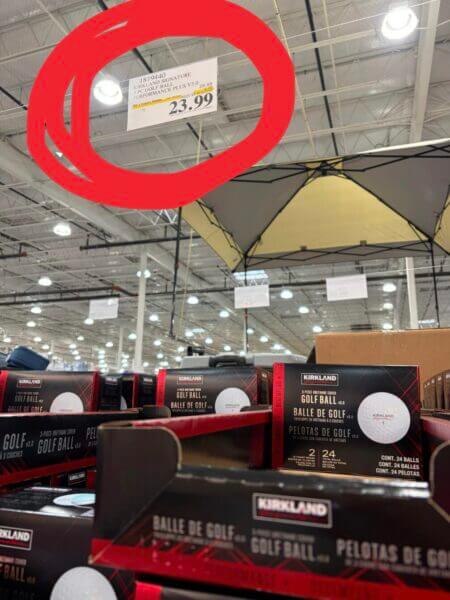
A Dollar a Ball: Costco's First Kirkland Signature Markdown in Seven Years Isn't a Promotion
Costco just discounted Kirkland Signature golf balls to $1 each, the first markdown in seven years. Why it's an inventory signal, not a promotion.
Golf Brand News
This is the desk's daily coverage. Brand moves, marketing plays, retail shifts, athlete deals, the WITB tells, and the what-does-this-mean takes the rest of golf media isn't writing.
Other publications cover the players. We cover the companies. The ones writing the checks, signing the deals, missing the moments, reading the room, and occasionally surprising everyone.
Filter by brand to track a specific name. Sort by date for the freshest. Every story here gets read against the Index, so when a brand makes a move you can see whether the data agrees.
Costco just discounted Kirkland Signature golf balls to $1 each, the first markdown in seven years. Why it's an inventory signal, not a promotion.

Johnnie-O opens its first Midwest store at Plaza del Lago in Wilmette, joining Hermès and Thom Browne as the brand doubles its retail footprint in 2026.
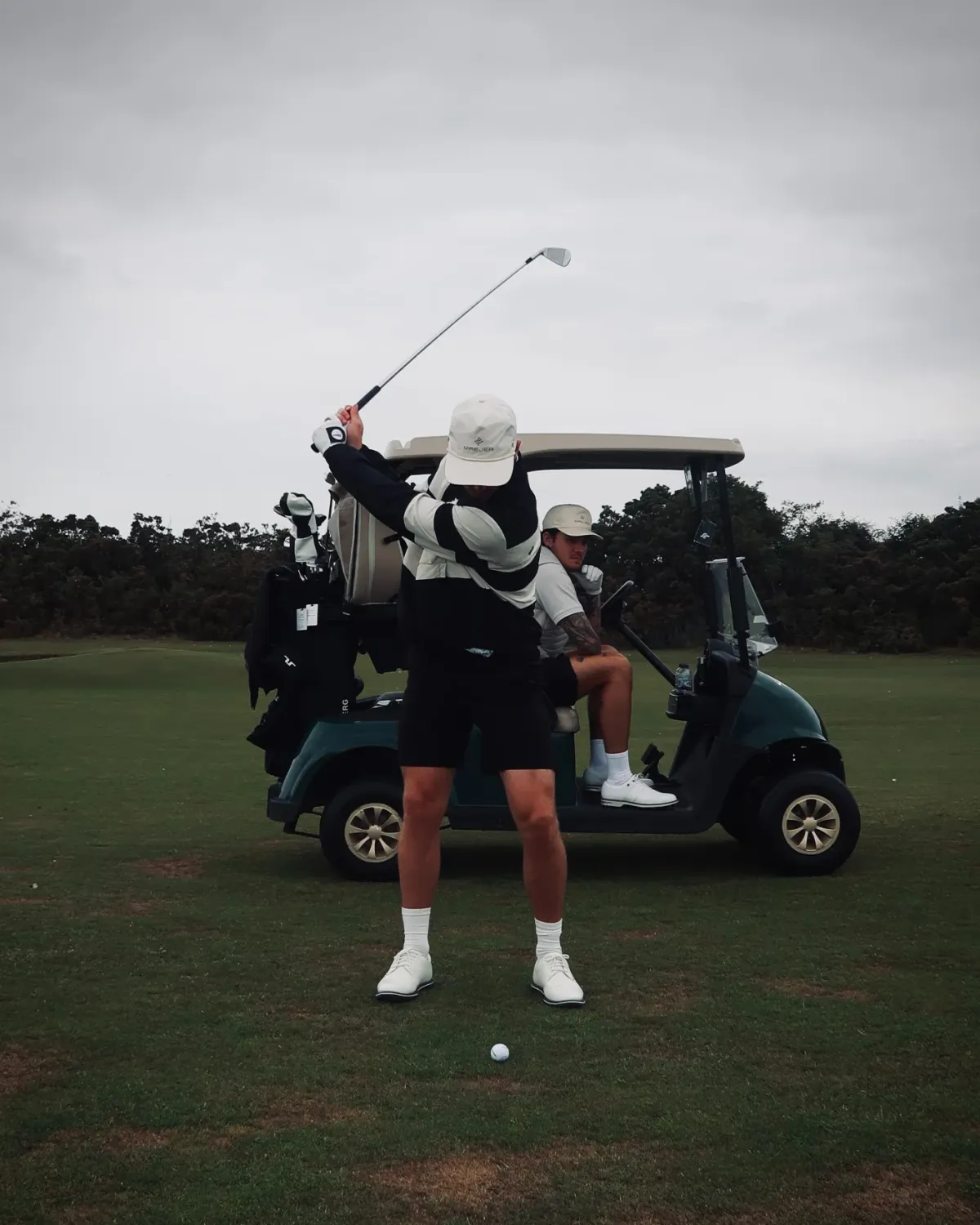
What is Maejer Golf? Mason Mount's British luxury golf brand launched in July 2026 and enters the DORMIED Index at 215 of 215 with zero recorded searches. Who owns it, what it…
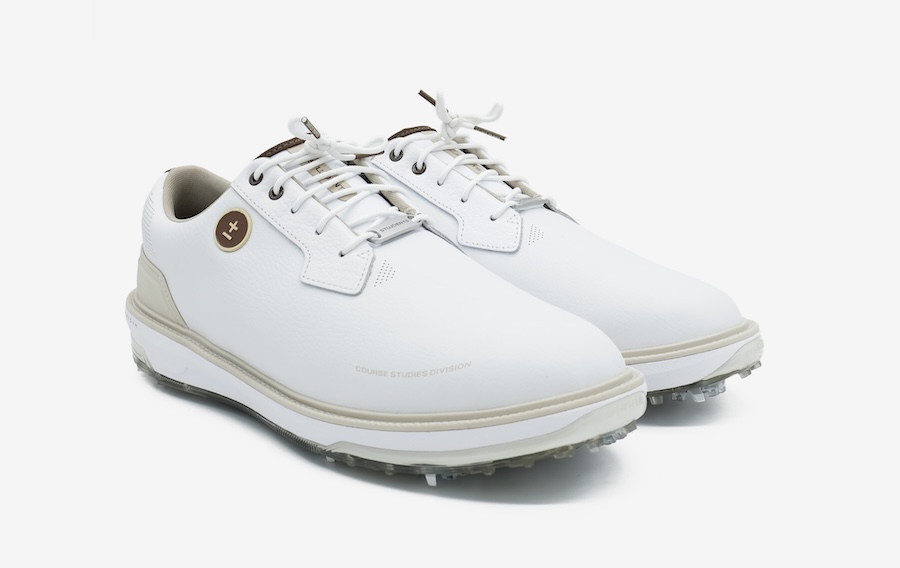
Payntr Golf and Students launch a $240 footwear collaboration with a magnetic ball marker and a field guide shoe box. The lifestyle play is on.
Callaway's sponsorship of the FCG World Championship is quiet infrastructure work that pays off over a decade, not a quarter. Here's why it matters.
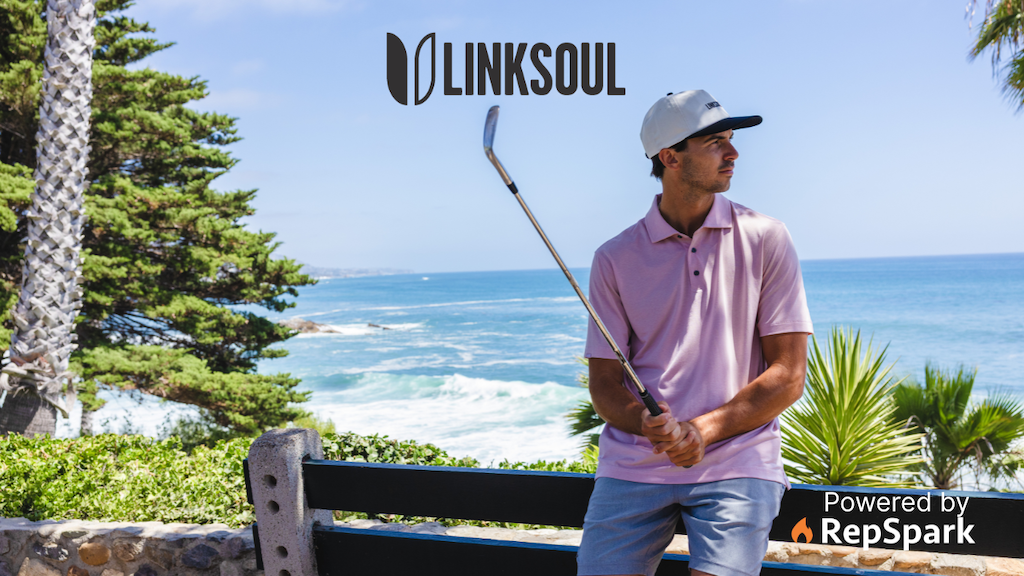
Linksoul joins RepSpark to double down on wholesale and green-grass, betting against the DTC playbook dominating premium golf apparel.
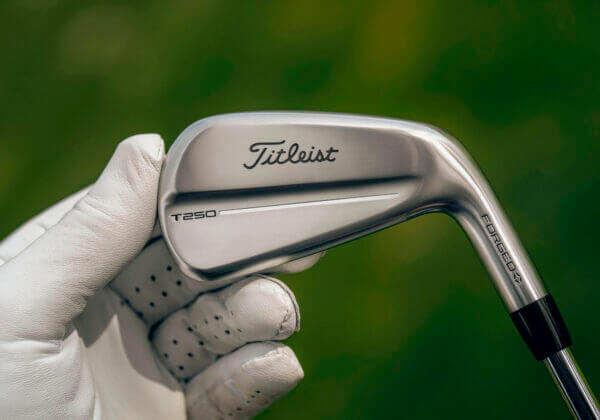
Jackson Koivun's 3M Open win featured a Graphite Design Tour AD DI HY 95 in his 3-iron. The graphite-in-long-irons trend just got its proof point.
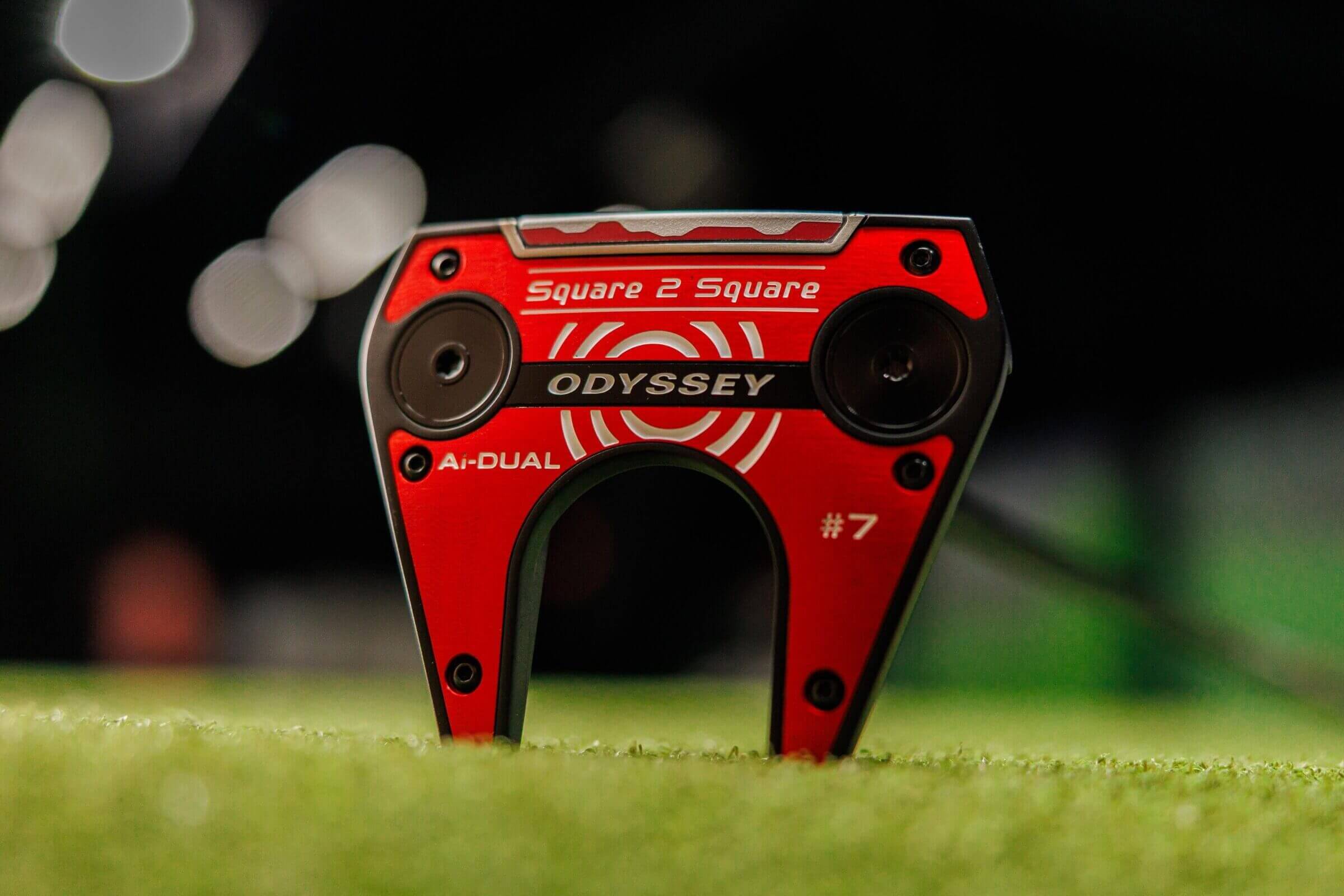
Odyssey discounted its award-winning Ai-DUAL Square 2 Square #7 putter by $100. What the deal signals about the crowded zero-torque putter category.
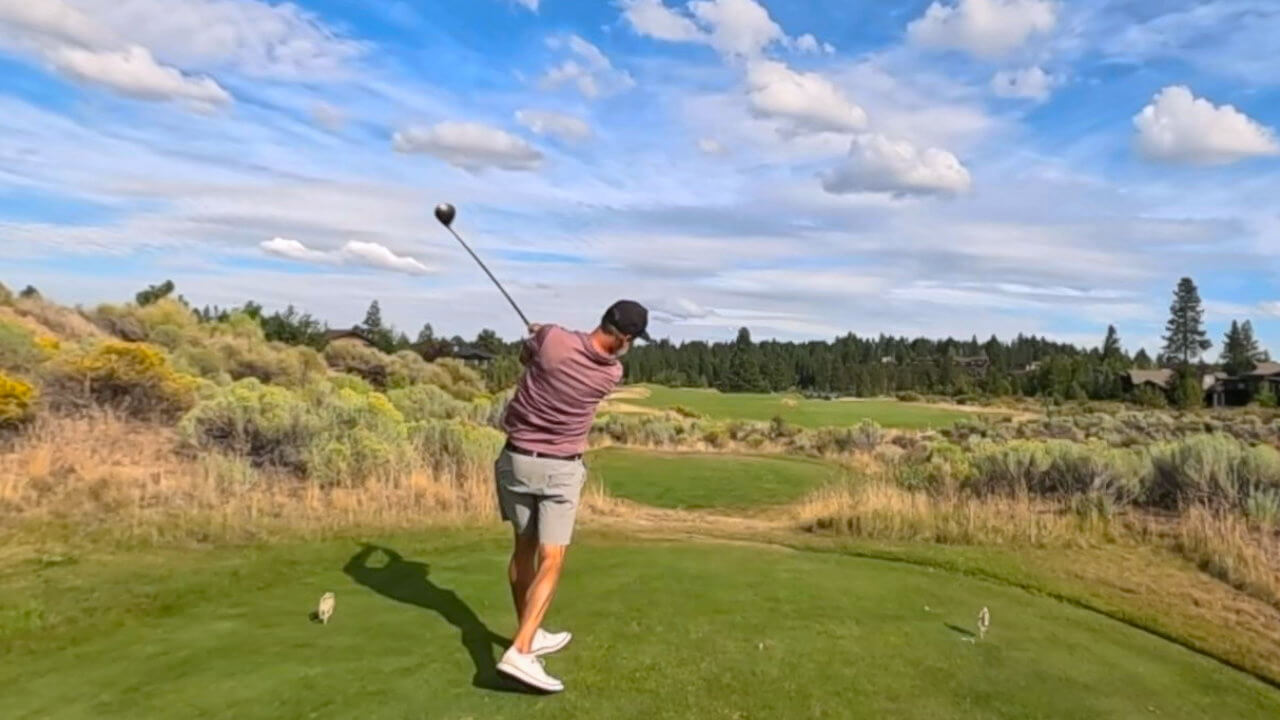
Arccos Golf keeps showing up in golf improvement content as infrastructure, not product. Here's what that shift means for the shot-tracking category.
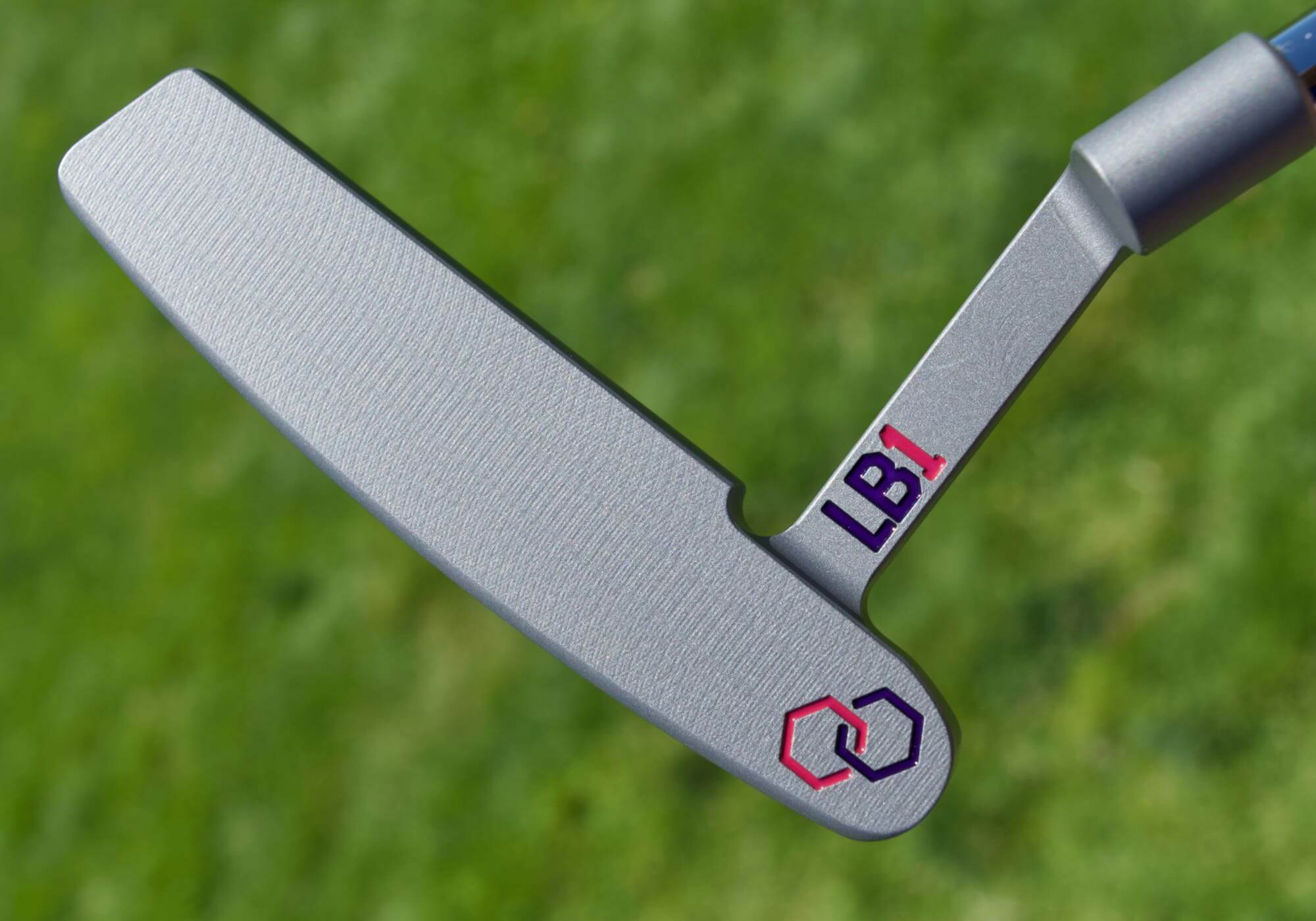
Bettinardi's new Junior Series putters bring milled, made-in-USA construction to kids' clubs at $400. A loyalty play with no direct competition.
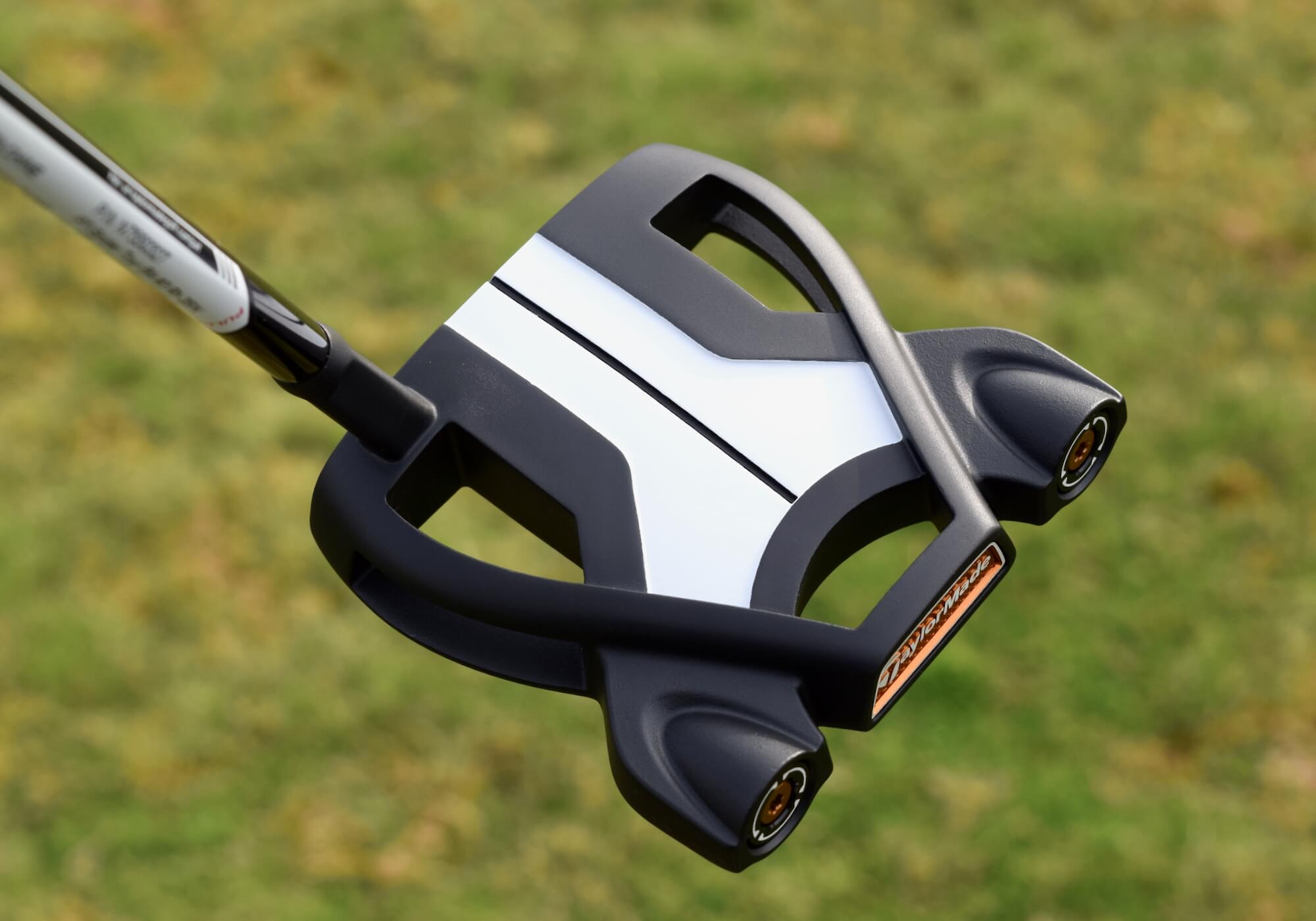
TaylorMade's Spider has quietly become the most important mallet putter design since the Ping Anser. The numbers, the tour data, and what happens next.
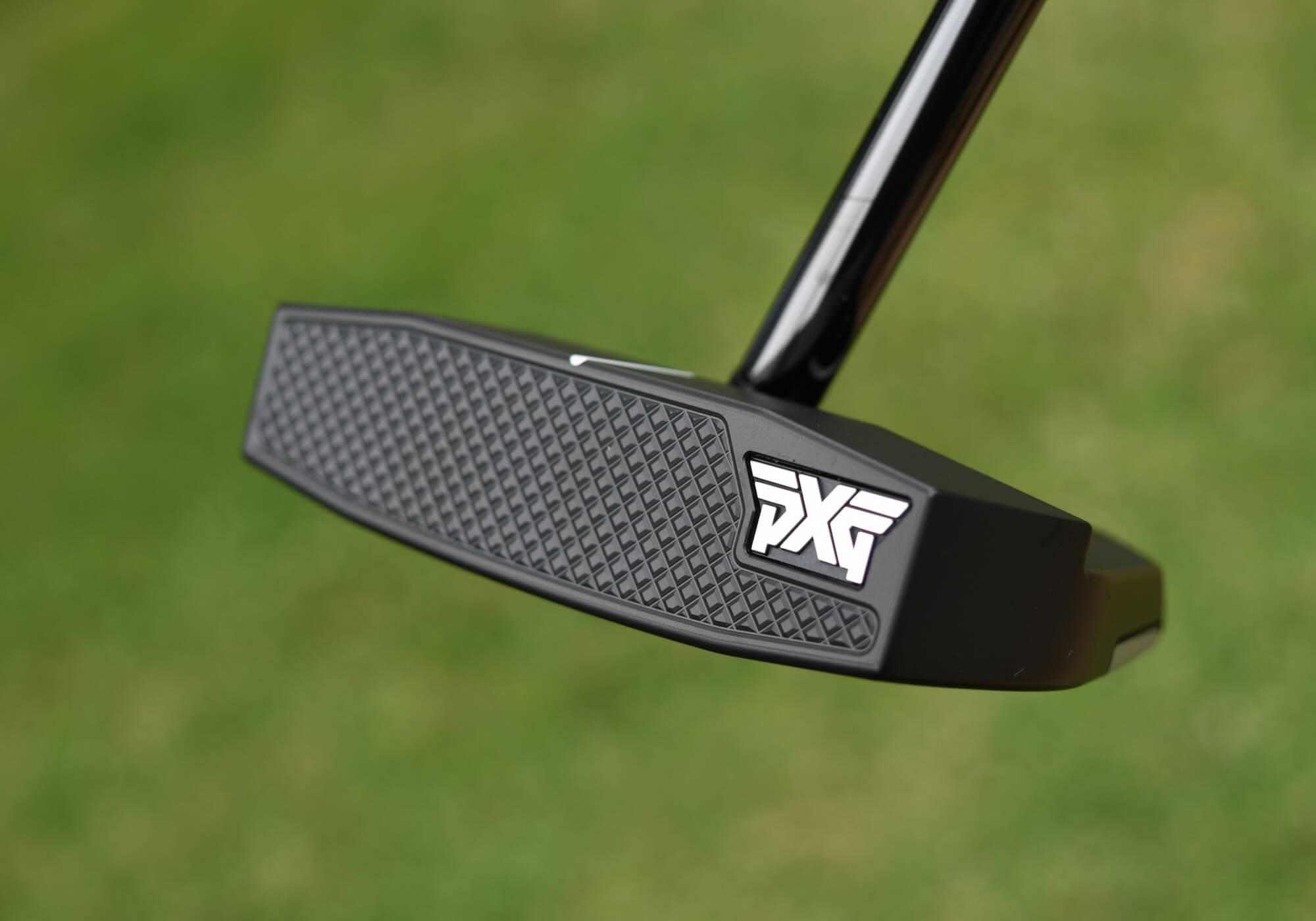
PXG's One & Done ZT is the fourth zero-torque putter in 18 months. The June launch and category flood are a deliberate challenger-brand strategy.
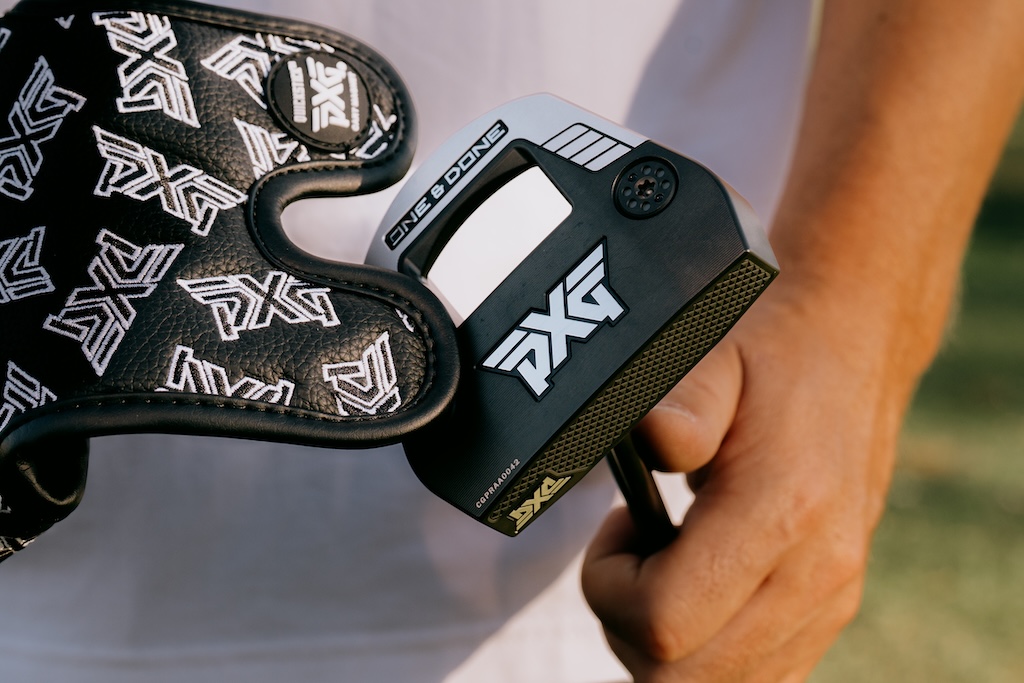
PXG launches the One & Done ZT putter, expanding its zero torque lineup into a category L.A.B. Golf defined and every major OEM now competes in.
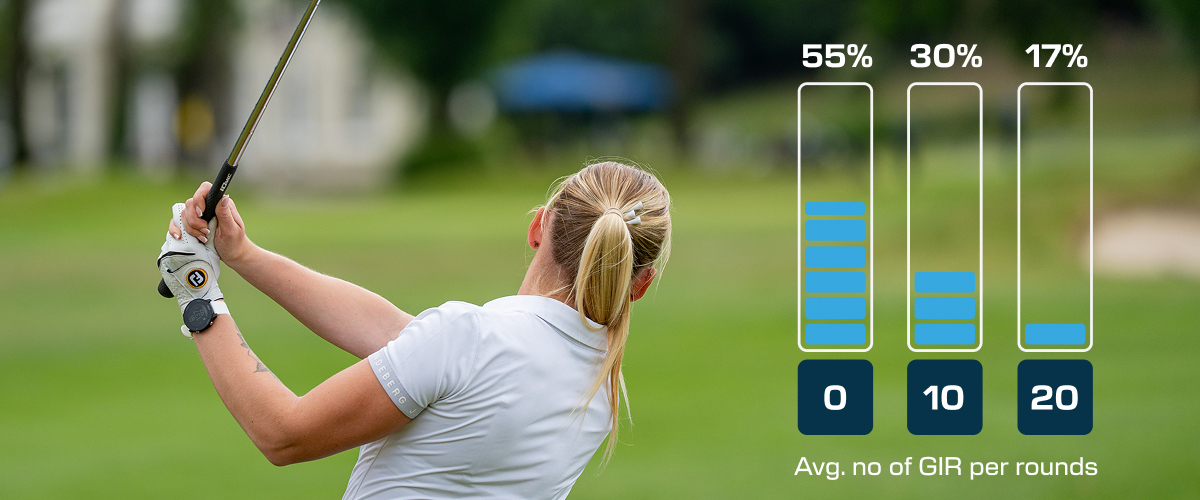
Shot Scope's new birdie data shows a 15-handicap would need 972 rounds to match Scheffler's 2025 season. The real scoring lesson is buried deeper.
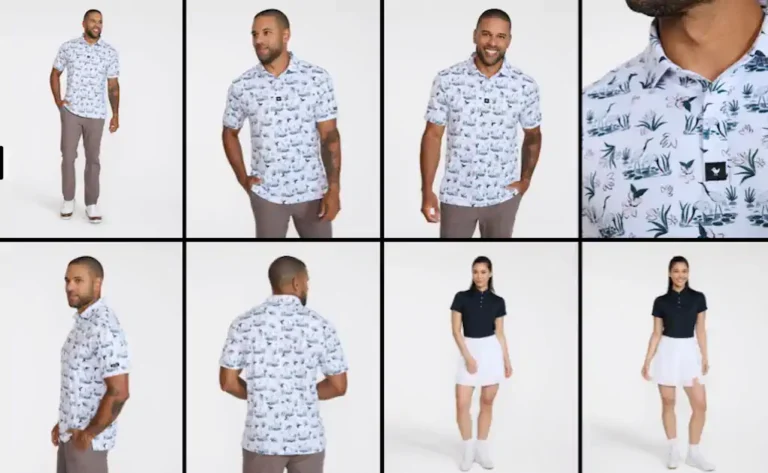
Bad Birdie's Fall 2026 collection debuts a waffle-knit franchise, returns the Bad Elements outerwear line, and previews a college-licensed Tailgate Edit.
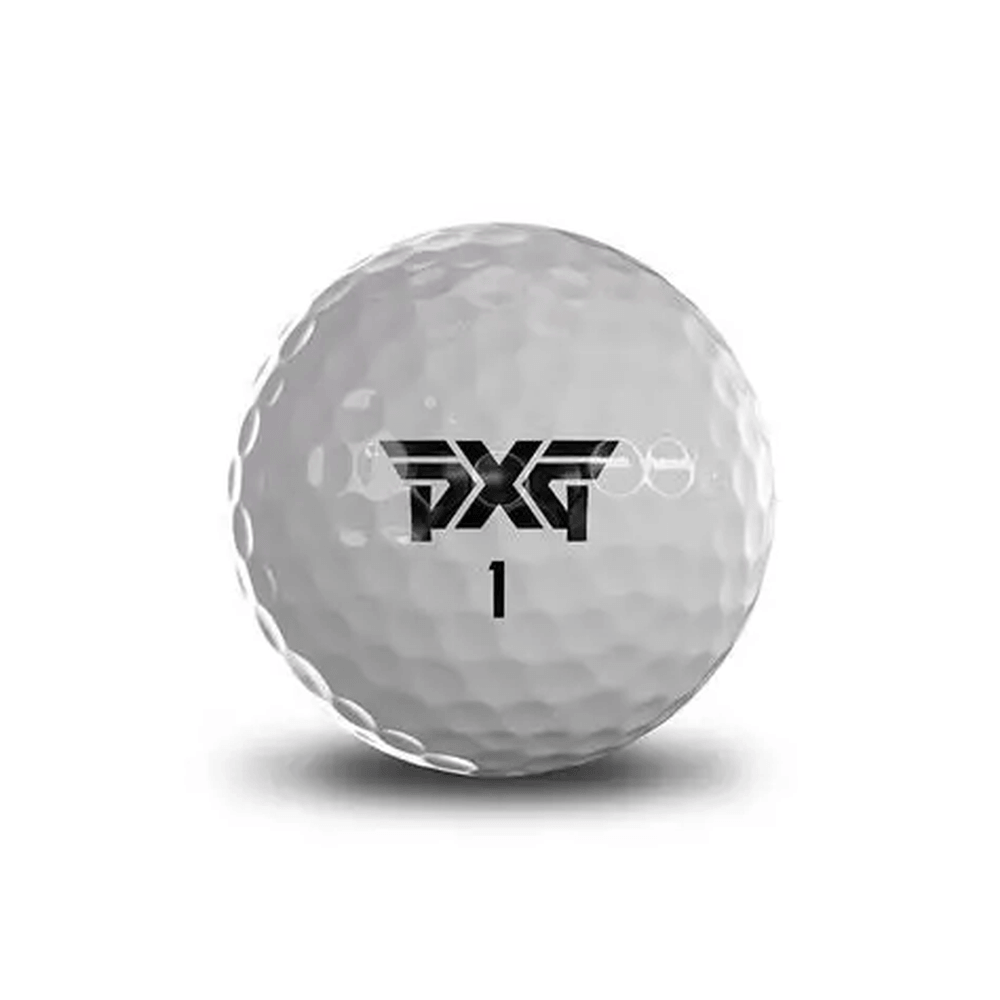
PXG Xtreme Tour scored 71 on MyGolfSpy Ball Lab with an F in diameter consistency. What the budget urethane ball reveals about PXG's manufacturing bet.

RepSpark's PGA of America alignment cements its grip on golf's wholesale channel, and brands like Holderness & Bourne are already positioned to benefit.
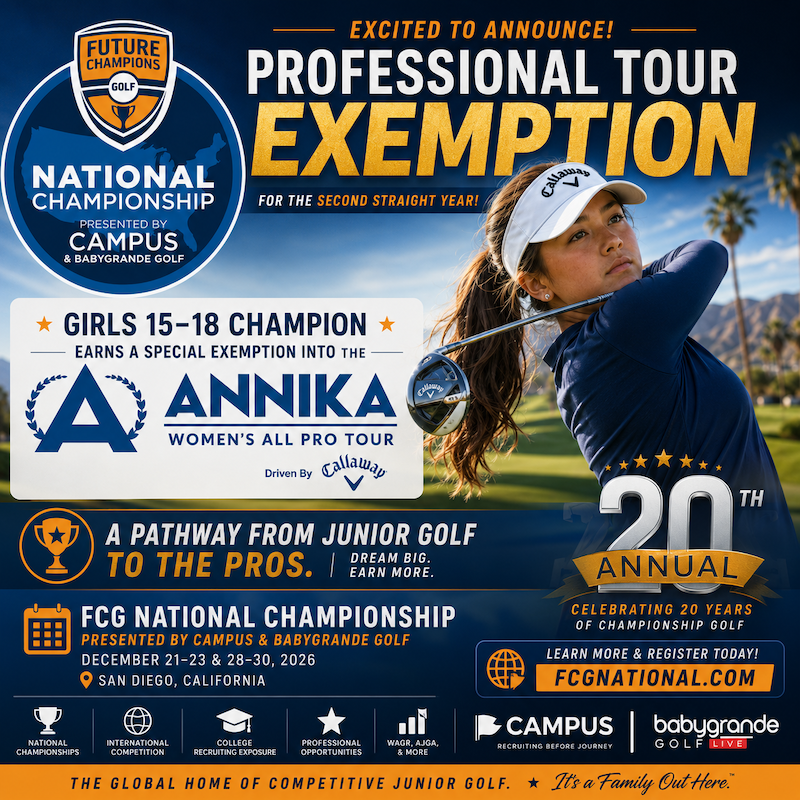
Callaway extends its ANNIKA Women's All Pro Tour exemption partnership with FCG, quietly cementing its position in the junior-to-LPGA pipeline.
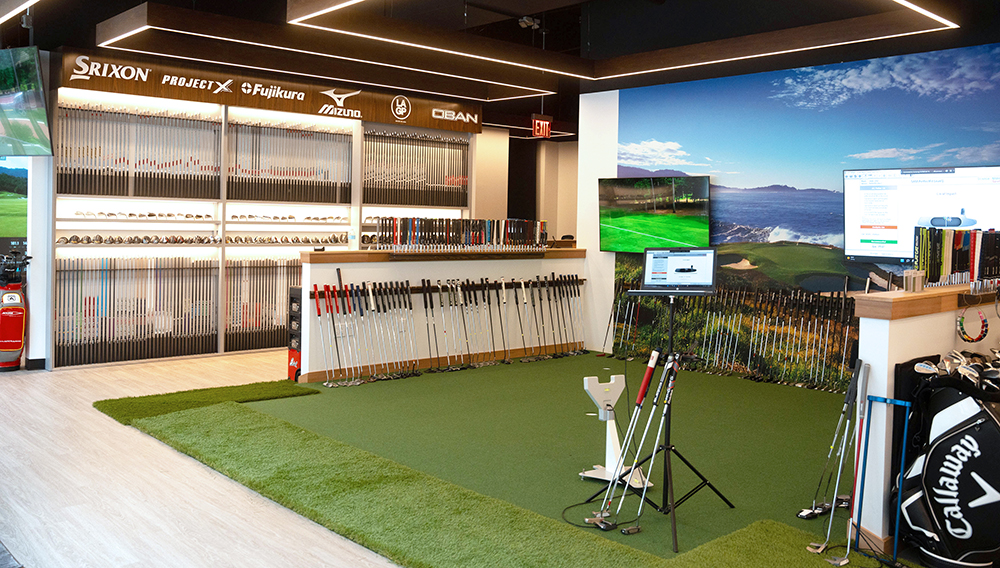
Club Champion's new San Diego mobile fitting studio keeps TrackMan in the largest custom fitting network in North America. The strategic read.
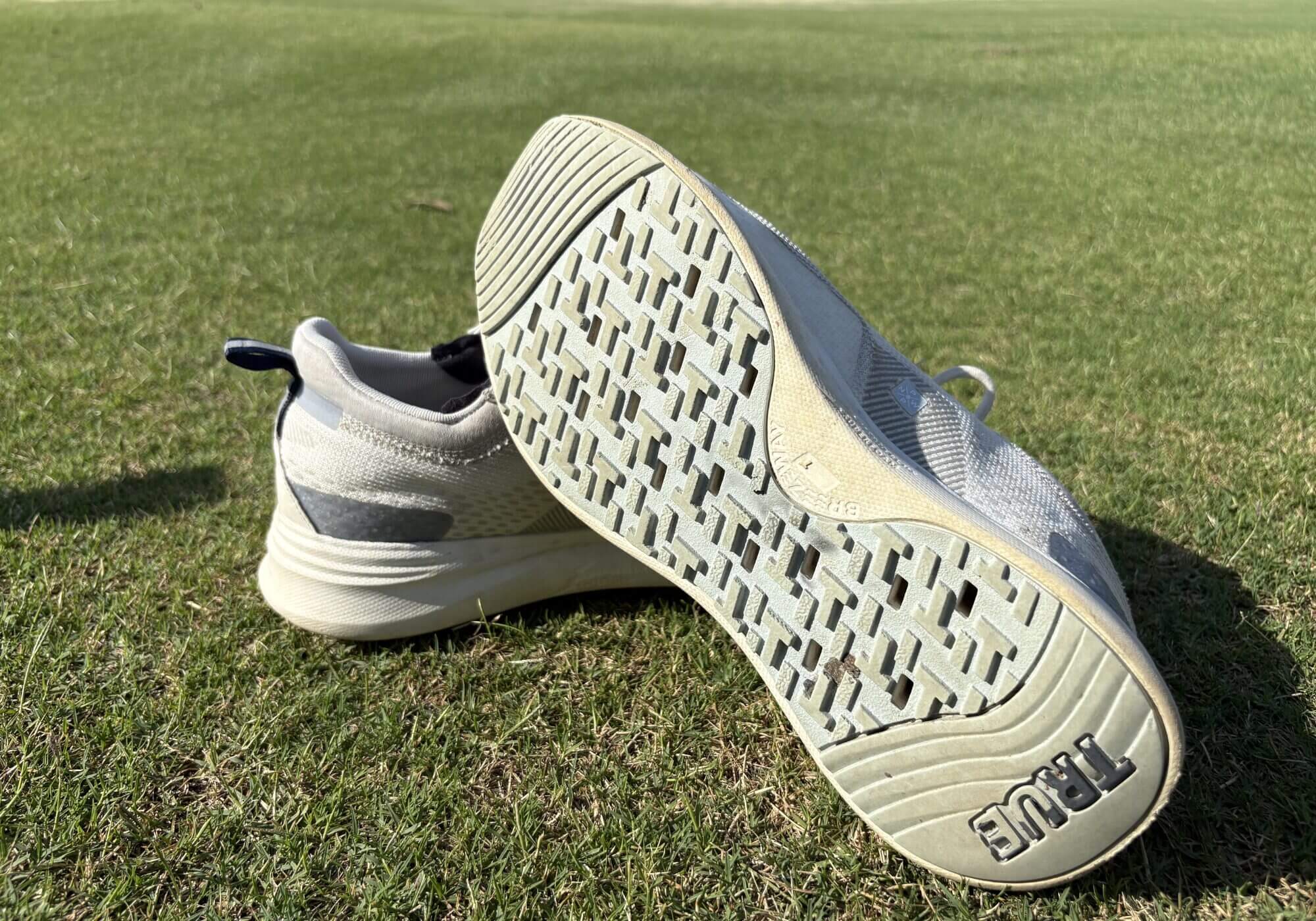
TRUE Linkswear's Ascent PNWProof is a solid hybrid golf shoe priced into a fight it can't win against $75 competitors. The real story is what happens next.
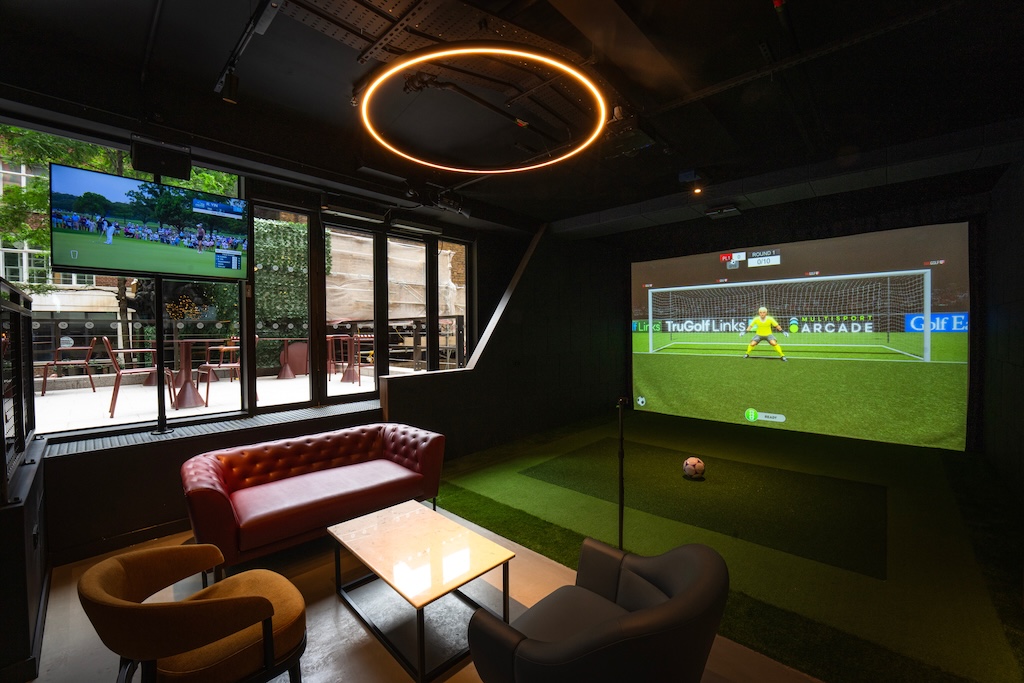
Five Iron Golf opens its first London venue at Broadgate with eight Trackman bays, betting on corporate hospitality in the City's densest commercial zone.
Graphite Design shafts won on the PGA Tour and PGA Tour Champions in the same week. The brand's quiet dominance keeps working without any marketing noise.
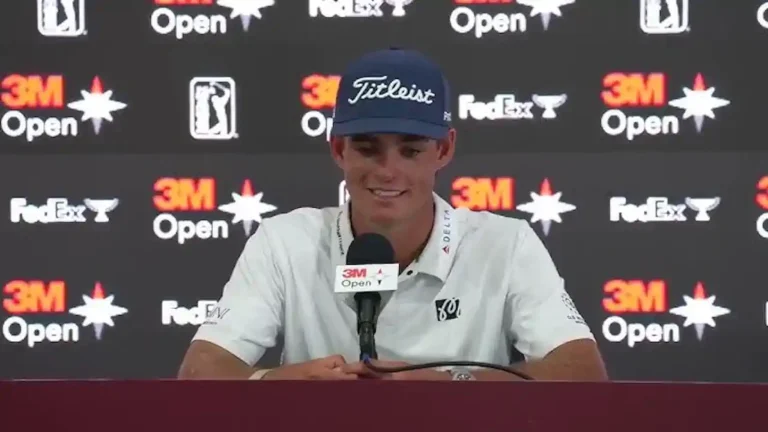
Jackson Koivun's 3M Open win at 21 signals the arrival of the Trackman-native generation on the PGA Tour, and raises questions about the brand's consumer trajectory.
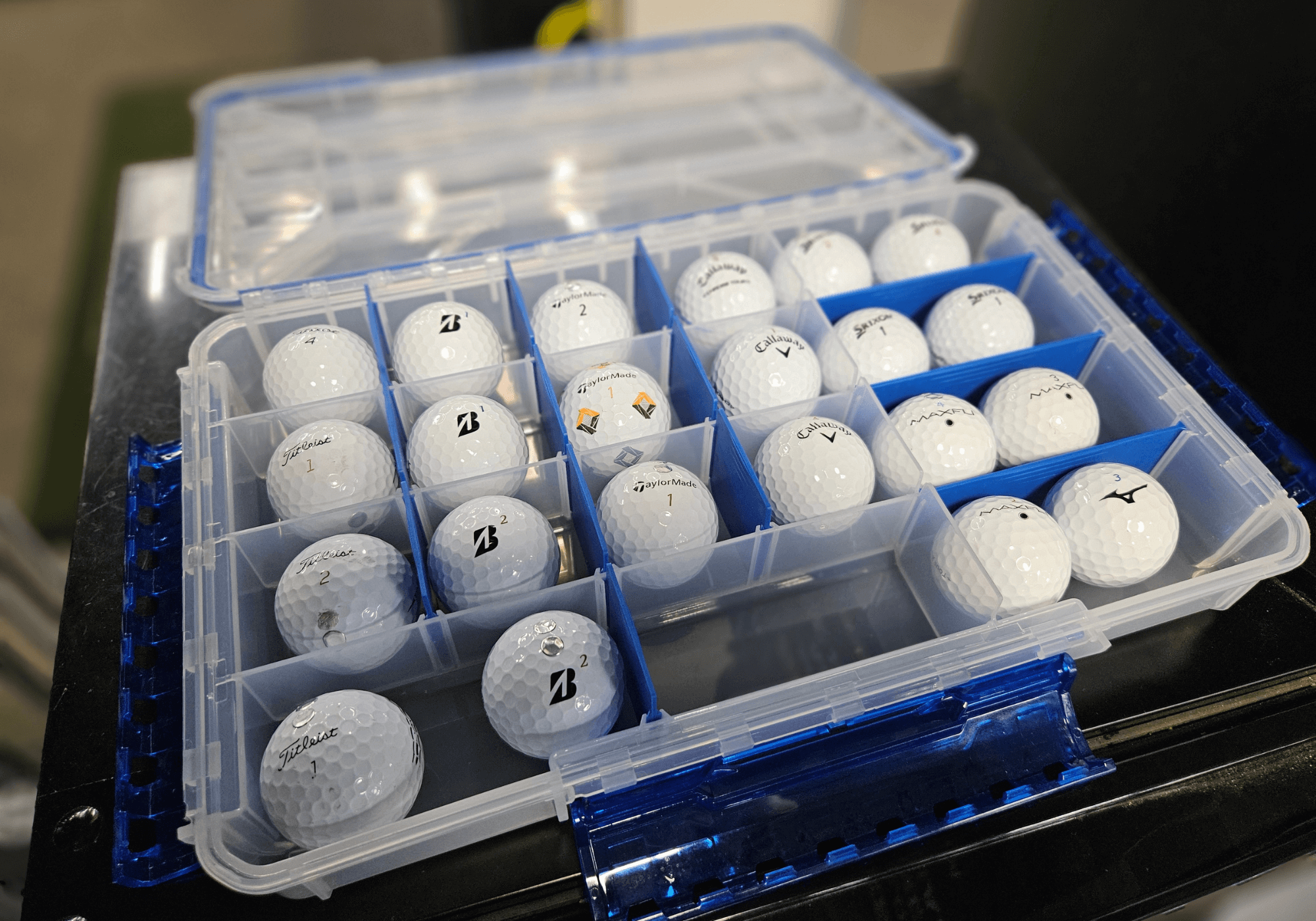
A MyGolfSpy writer expected to get fitted into a Titleist. He walked out choosing the Bridgestone Tour B X. Here's why that matters for Bridgestone.

Eastside Golf opened a storefront at Detroit's airport with prices 40-80% above online. The pricing gap says more about the brand than the location does.