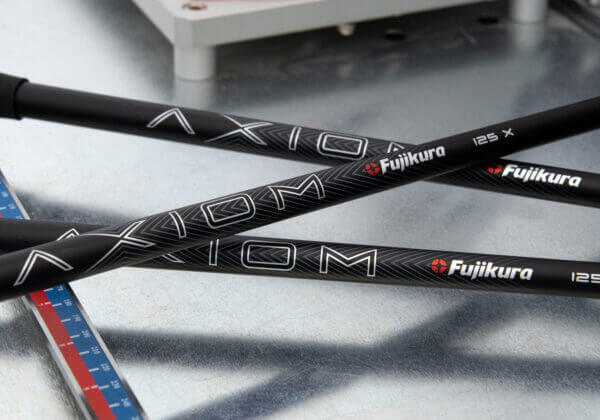
The top-ranked golf brand in the world just published a comprehensive shaft flex guide and buried the lede so deep you might miss it entirely. Titleist, a company that makes balls, clubs, and a handful of branded shaft options, is now positioning itself as the definitive voice on shaft selection, a category dominated by companies like Fujikura, Mitsubishi, and Project X.
This is not an accident. The guide, which appeared on MyGolfSpy, features Titleist R&D commentary alongside recommendations for Mitsubishi's comparison tool and third-party fitting resources. There is no hard sell. No push toward Titleist-branded shafts. Just a brand with a 100 out of 100 index score acting like it has nothing to prove and everything to teach.
The strategy is textbook authority marketing. When you are already the most visible brand in golf, you stop competing on features and start competing on trust. Titleist is telling recreational golfers that flex labels are unreliable, that ego drives bad purchases, and that a proper fitting matters more than any chart. Then it quotes its own R&D team as the voice of reason. The message lands differently when it comes from the brand sitting at the top of the rankings rather than from a shaft manufacturer with obvious skin in the game.
What makes this interesting is the timing. Shaft technology has become a genuine differentiator in the premium club market. Golfers are more educated than ever about launch conditions, spin rates, and the relationship between shaft profile and ball flight. By owning the educational space, Titleist inserts itself into the conversation before a golfer even walks into a fitting bay. The fitter recommends a Ventus or a Tensei, but the framework for understanding that recommendation came from Titleist.
The broader implication here is that content strategy in golf equipment is shifting. Brands used to compete on tour wins and product launches. Now the fight is for credibility in the spaces where purchasing decisions actually get made: the research phase. Titleist is not trying to sell you a shaft. It is trying to be the reason you trust whatever shaft you end up buying, as long as it is attached to a Titleist head.