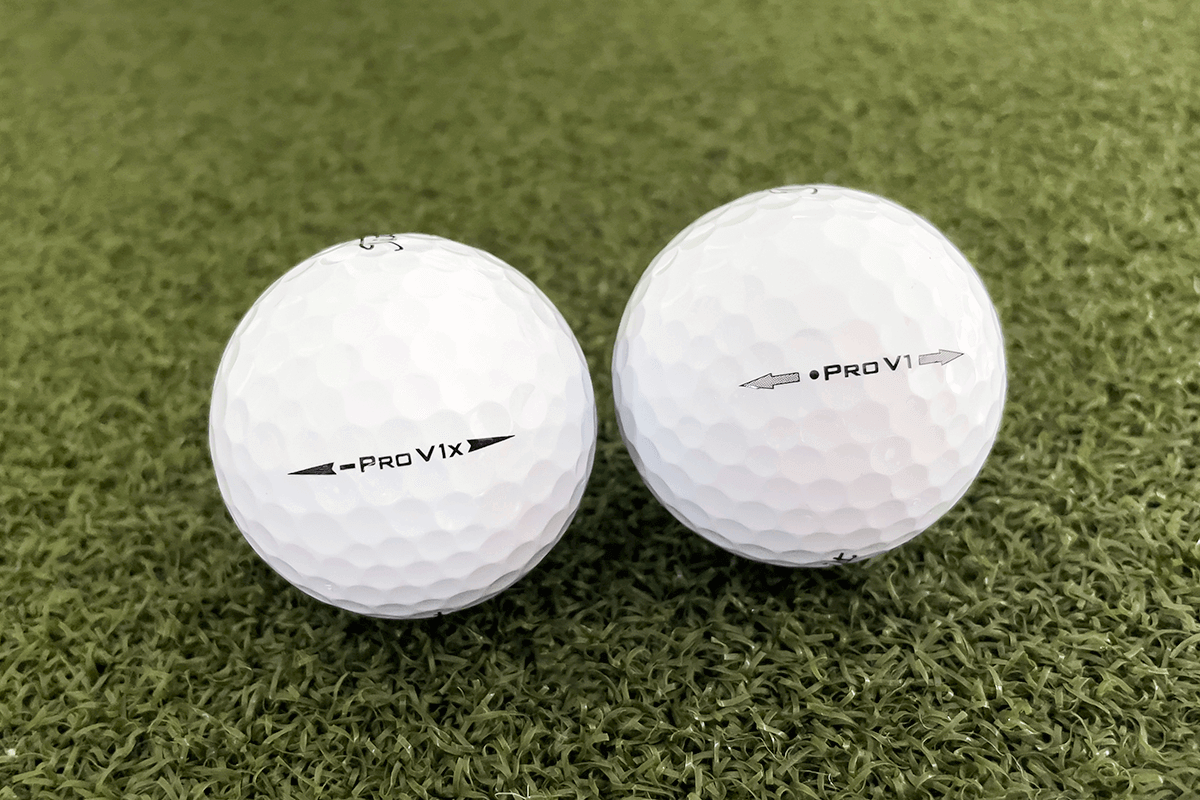
Somewhere in a Titleist R&D facility sits a prototype called Red 16, a golf ball that fixed everything players complained about with Pro V1x Left Dash. Softer feel. More greenside spin. By every measurable standard, it was a really good golf ball. It made it deep into the production pipeline. And Titleist scrapped it anyway.
The decision to kill a finished product because tour players said it no longer felt like theirs is the kind of move that separates brands that dominate from brands that chase. Left Dash started as a Custom Performance Option in 2017, built for a narrow slice of high-speed players who wanted distance over stopping power. The origins trace back even further, to 2013, when Titleist's tour team started documenting an emerging trend among Korn Ferry and collegiate players generating both high speed and high spin. They wanted less of the latter.
By 2019, roughly 10 percent of golfers fitted by Titleist were landing in Left Dash. Not huge numbers, but consistent enough that wider retail availability made sense. The rollout was deliberately quiet. No splashy launch. For a company that moves at its own pace on everything, it was about as aggressive as Titleist gets. Left Dash became the first truly distance-centric tour ball to stick around since Nike's RZN Black disappeared.
When the time came for an update, Titleist did what most companies would do: they tried to address the criticisms. Red 16 was softer, spun more around the greens, and performed beautifully on the robot. Then the Dash players on staff took it out and killed it. The irons spun too much. It climbed and stalled into the wind. By fixing the weaknesses, Titleist had erased what made Left Dash valuable. The imperfections were the product.
The ball that launched this January goes the opposite direction. Instead of softening edges, Titleist doubled down on speed and distance. Reformulated dual core. Thicker casing layer. Thinner urethane cover. A new 348-tetrahedral dimple pattern that nudges flight lower and tightens dispersion. More of what made Dash, Dash. The brand currently sits atop the global rankings, and decisions like this explain why. When your competitors are chasing the segment you created, the worst thing you can do is meet them in the middle. Titleist, for once, chose to widen the gap instead.