Two gloves, same 9.4 rating, eight dollars apart. The Titleist Players and PXG Players just went head-to-head in MyGolfSpy's testing pool, and the results say everything about how brand equity works in golf accessories.
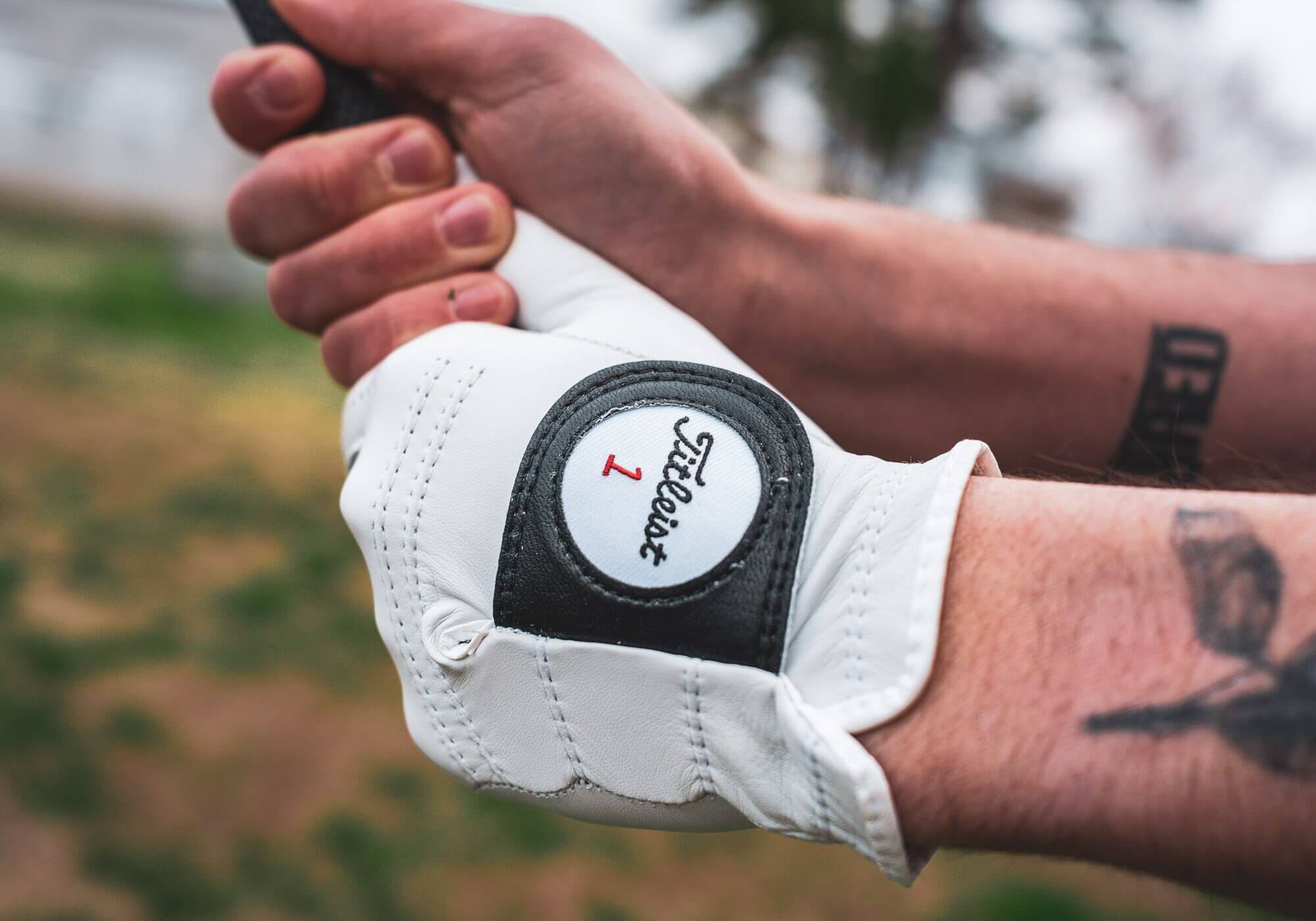
The Titleist Players took home the Staff Pick badge while PXG settled for Runner-Up, despite identical scores across grip, feel, and comfort. The only measurable difference testers found was minor extra space in the fingers and palm of the Titleist model. That is not an $8 difference. That is the price of having "Titleist" stitched into the closure tab.
Titleist sits atop the DORMIED rankings at a perfect 100, up 50 percent month-over-month. That kind of brand momentum does not come from glove margins. It comes from decades of ball dominance, iron credibility, and a marketing machine that makes the scripted logo feel like a status symbol. When a company has that much equity banked, charging a premium for parity-level accessories becomes a rational business decision. Golfers who trust the Pro V1 will trust the glove without reading a single test result.
PXG, meanwhile, continues its quiet transformation from loud disruptor to legitimate value player. The brand that once charged $800 for a driver is now winning on price-to-performance arguments in the accessories aisle. That pivot tells you something about where PXG sees its growth coming from. It is not the same company that blanketed late-night TV with Bob Parsons infomercials. The PXG Players at $24 is a product designed to win consideration from the golfer who actually reads the spec sheet.
The glove market is not where fortunes are made or lost. But it is a useful lens for understanding how brand loyalty calculates in real dollars. Titleist can charge more because the name carries weight that independent testing cannot erode. PXG can undercut because it no longer needs to prove it belongs in the conversation. Both strategies work. The question is which one scales better as golfers get more access to side-by-side data like this.
Titleist's position at the top remains secure because it wins the battles that matter most, balls and irons, while extracting margin from the battles that do not. Whether that approach holds as testing transparency increases will be worth watching.