
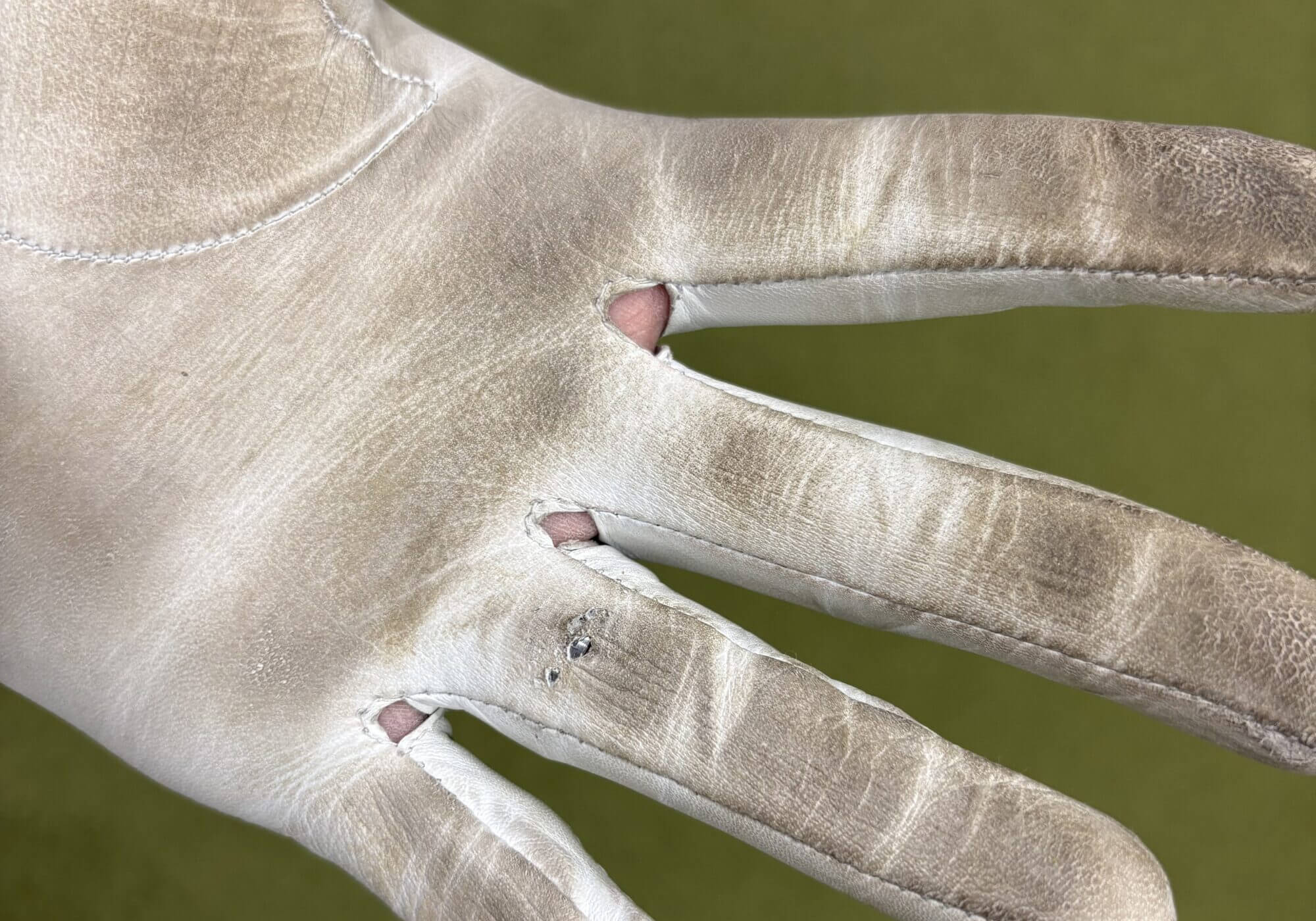
Winning a MyGolfSpy "Best Overall" badge should be a clean victory lap. For the Tour Authentic Triple Diamond, it comes with an asterisk the size of a wedding ring.
How Long Does the Tour Authentic Triple Diamond Last?
The $40 glove shared top honors with PING's Tour model in this year's glove testing, and the praise for feel and feedback is warranted. Reviewers describe it as a second skin that delivers instant impact feedback, the kind of tactile response that serious players chase. But here is the uncomfortable math: 170 holes before the first tear. At $39.99 retail, that works out to roughly 24 cents per hole. For context, most golfers expect a premium glove to survive at least twice that many rounds.
This is the tension that defines Callaway's accessories play. The brand sits at fourth globally in our rankings, up more than 22 percent month over month, riding momentum from driver launches and ball innovations. But gloves and soft goods operate on different economics. A glove that feels incredible but needs replacing every three weeks is a recurring expense that compounds quickly. The Tour Authentic Triple Diamond asks golfers to pay a luxury tax on feel while accepting mid-tier durability.
Why Did the Callaway Glove Tear So Early?
The reviewer's confession about wearing a wedding ring while playing is instructive. The tear appeared exactly where metal meets leather. Store the glove carelessly, expose it to mud, and that lifespan shrinks further. The product performs brilliantly under ideal conditions, but golf is not played under ideal conditions. Durability in the real world matters more than durability in a climate-controlled showroom.
Callaway has built its empire on performance equipment that justifies premium pricing through longevity and resale value. Clubs and balls can absorb higher margins because the replacement cycle is measured in years. Gloves operate on a different timeline entirely. If the Tour Authentic Triple Diamond wants to hold its "best overall" crown, the brand will need to answer a simple question: can a glove that dies in 170 holes really be the best, or is it just the best-feeling compromise on the market?