Repeat champions are returning to defend their titles at the PING USDGA Championship this week, and most golfers have never heard of it.
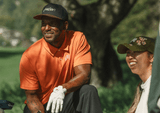
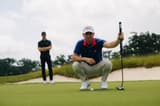
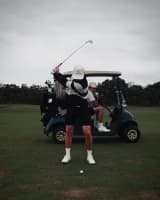
Chad Pfeifer, who has won four of the last five men's overall titles, will tee it up Monday at PGA Golf Club alongside 67-year-old Eli Villanueva, who shot an 8-under 63 in last year's final round to win the Senior Division. The 90-player field is the strongest since the championship began in 2018, with 54 players carrying handicaps under 6. This is competitive golf by any standard.
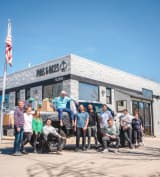
PING's title sponsorship of the USDGA Championship represents the kind of long-term commitment that rarely generates headlines but quietly builds brand equity in places that matter. The PGA of America serves as presenting sponsor, hosting the event at their own facility in Port St. Lucie for the fourth consecutive year. That level of institutional backing suggests adaptive golf is moving from niche programming toward something more permanent in the sport's infrastructure.
The women's field this year includes Kim Moore, a two-time U.S. Disabled Open champion who previously couldn't compete due to her coaching duties at Western Michigan. Moore, born without a right foot, is considered one of the top disabled women golfers globally. Her presence alongside 14 other women competitors marks the largest ladies' field in tournament history.
PING currently sits at 18th in global brand visibility, up 22 percent from the previous month. That uptick has nothing to do with this event, which barely registers in mainstream golf coverage. But sponsorships like this one accumulate differently than product launches or tour wins. They build loyalty among communities that remember who showed up when showing up was not yet fashionable.
The adaptive golf space is small but growing, and the brands investing now are placing bets on where the conversation will be in five years, not where it is today.